Blog

  • Hospital Discharge Rights: What Patients Can Legally Demand

    Hospital Discharge Rights: What Patients Can Legally Demand

    Introduction

    You’ve probably heard stories — a family unable to take a patient home, or worse, a body, because the hospital bill wasn’t cleared. It sounds almost unbelievable, but it happens more often than it should. Understanding your hospital discharge rights can genuinely save you from a stressful, and sometimes illegal, standoff at the billing counter.

    Can a Hospital Legally Withhold Discharge Over Unpaid Bills?

    This is the single most common dispute. And the short answer is: no, not indefinitely, and not by holding the patient hostage.

    Direct answer: Hospitals cannot legally detain a patient or withhold their body over unpaid bills under hospital discharge rights established by courts — they can pursue payment through civil recovery, but not by physical detention.

    Several High Court rulings, including from Delhi and Bombay, have held that detaining a patient (or a deceased person’s body) for non-payment amounts to wrongful confinement and violates basic human dignity. Hospitals have legal recourse — they can sue for recovery of dues — but holding someone hostage isn’t one of their options, no matter what the billing desk implies.

    What Is “Against Medical Advice” (AMA) Discharge?

    Sometimes patients or families want to leave before doctors recommend it. This is called discharge against medical advice. Hospitals must allow it if the patient (or guardian) insists, after being informed of the risks — they can document your refusal, but they can’t legally force you to stay.

    Discharge Summary: What You’re Entitled To

    Every patient has the right to receive a proper discharge summary — diagnosis, treatment given, medications prescribed, and follow-up instructions. Hospitals sometimes rush this document out, and it ends up vague or incomplete. Push back if that happens; you’ll need it for insurance claims, second opinions, and future treatment.

    • Diagnosis and treatment details in clear language
    • List of medications and dosage instructions
    • Follow-up appointment guidance
    • Any test reports generated during the stay

    Insurance-Related Discharge Delays

    A frustrating but common scenario: the patient is medically fit to go home, but discharge is delayed because the insurance company hasn’t approved the final claim. Picture a family in Jaipur waiting six extra hours in a hospital room, not because of medical need, but purely due to paperwork between the hospital and the insurer. This delay, while common, isn’t something patients are legally required to simply accept — you can request interim discharge with a provisional bill while insurance processing continues.

    What If You Suspect Wrongful Detention?

    If a hospital refuses discharge purely over payment disputes, you (or your family) can:

    • Approach the local police station — wrongful confinement is a cognizable offense
    • File a complaint with the State Human Rights Commission
    • Approach consumer courts for deficiency in service
    • Contact the hospital’s grievance officer or medical superintendent directly first

    Body Release in Case of Death

    This is an emotionally heavy topic, but an important one. Hospitals cannot withhold a deceased patient’s body from the family over unpaid bills. Courts have repeatedly and firmly ruled this violates Article 21 (right to dignity) of the Constitution.

    [link to related guide on medical negligence claims here]

    FAQ

    Q1. Can a hospital legally stop me from leaving if I haven’t paid the bill? No, they cannot physically detain you. They can pursue legal recovery of dues separately.

    Q2. What is AMA discharge and is it risky? It stands for “Against Medical Advice” — leaving before doctors recommend. It’s your right, but you should get a clear risk explanation in writing.

    Q3. Can insurance delays legally justify holding a patient longer? No, medical fitness determines discharge readiness, not insurance paperwork timelines.

    Q4. What documents should I insist on at discharge? A complete discharge summary, final bill breakdown, and copies of test reports and prescriptions.

    Q5. Who do I contact if a hospital is denying discharge unfairly? Start with the hospital’s grievance cell, then escalate to police or the State Human Rights Commission if needed.

    Conclusion

    Nobody should have to negotiate their way out of a hospital bed. Knowing your hospital discharge rights puts you in a stronger position when billing disputes or paperwork delays threaten to hold you back unfairly. If you or a family member ever face this situation, stay calm, ask for the grievance officer, and remember — the law is genuinely on your side here, even if it doesn’t always feel that way in the moment.


  • Alimony Calculation Explained: How Courts Decide Spousal Support

    Alimony Calculation Explained: How Courts Decide Spousal Support

    Introduction

    Divorce is messy enough without wondering how much money will change hands afterward. If you’re going through a separation, chances are you’ve typed “alimony calculation” into Google at 1 AM, hoping for a straight answer. There isn’t always one — and that’s the honest truth. Courts in India don’t use a fixed formula like a salary slip. They weigh a bunch of factors together, and the number that comes out can genuinely surprise both sides. Let’s break down how it actually works, not the textbook version.

    What Exactly Is Alimony?

    Alimony, also called spousal support or maintenance, is money paid by one spouse to another after separation or divorce. It’s meant to help the lower-earning (or non-earning) spouse maintain a reasonable standard of living. It is not punishment. It is not a reward either. It’s a bridge.

    Direct answer: Alimony is financial support paid by one spouse to the other post-divorce, decided by courts based on income, needs, and marriage duration — not a fixed percentage of salary in most Indian cases.

    Factors Courts Actually Consider

    I’ve noticed people assume there’s some secret formula — like 30% of income or a set monthly figure. There isn’t, at least not uniformly across India. Courts look at:

    • Income and earning capacity of both spouses (not just current salary, but potential too)
    • Length of the marriage — a 3-year marriage and a 25-year marriage rarely get treated the same
    • Standard of living during the marriage
    • Age and health of both parties
    • Whether the receiving spouse has independent income or assets
    • Number of dependents, especially children

    None of these carry equal weight in every case. A judge might lean heavily on health in one matter and barely mention it in another.

    Lump Sum vs Monthly Payments

    This is where a lot of people get confused. Alimony calculation can result in either a one-time lump sum or recurring monthly payments — and sometimes both.

    Lump sum alimony is often preferred when the paying spouse wants a clean break, no ongoing obligation, no future disputes. Monthly maintenance, on the other hand, suits situations where the paying spouse has steady income but not a large corpus of savings.

    Picture a small business owner in Jaipur, earning well but with most of his capital tied up in inventory and shop rent. A lump sum might genuinely hurt his cash flow. Monthly payments make more practical sense there.

    Interim Maintenance: The Overlooked Part

    Before the final divorce is even settled, courts can order interim maintenance — support paid during the litigation itself, under Section 24 of the Hindu Marriage Act (or equivalent provisions for other personal laws). This is often what applicants need most urgently, since divorce cases can drag on for years.

    Does Gender Matter in Alimony?

    Legally, either spouse can claim alimony — it isn’t a “wife-only” right, even though that’s the common perception. A non-earning husband, or one earning significantly less, can approach the court too. It’s rare in practice, but not impossible.

    How Long Does Alimony Last?

    There’s no universal answer here either. It could be:

    • A one-time lump sum with no further claims
    • Monthly payments until remarriage of the receiving spouse
    • Monthly payments for a fixed number of years
    • Support until the receiving spouse becomes self-sufficient

    Judges have discretion, and that discretion is exactly why two similar-looking cases can end with very different outcomes.

    Can Alimony Be Modified Later?

    Yes. If the paying spouse loses their job, or the receiving spouse remarries or starts earning well, either party can approach the court for modification. Courts don’t treat the original order as permanently fixed in stone — circumstances change, and the law does account for that, at least on paper.

    [link to related guide on divorce proceedings in India here]

    FAQ

    Q1. Is there a fixed percentage for alimony in India? No. Unlike some countries, India doesn’t have a rigid percentage rule. Courts assess each case on its own facts.

    Q2. Can a husband claim alimony from his wife? Yes, under certain laws, though it’s far less common and depends heavily on income disparity.

    Q3. Is alimony taxable in India? Lump sum alimony is generally not taxable, but monthly maintenance payments can be treated as income and taxed accordingly. It’s worth checking with a tax consultant.

    Q4. What happens if the paying spouse refuses to pay? The receiving spouse can file for enforcement, and courts can attach salary or property in serious non-compliance cases.

    Q5. Does live-in relationship qualify for alimony? Some courts have granted maintenance in long-term live-in relationships under domestic violence laws, though it’s not automatic like in a legal marriage.

    Conclusion

    Alimony calculation isn’t a plug-and-play formula — it’s a judgment call based on income, duration of marriage, lifestyle, and genuine need. If you’re heading into a divorce in 2026, don’t rely on WhatsApp forwards or “what my cousin got” as a benchmark. Every case is different. Talk to a family law advocate early, gather your financial documents, and go in with realistic expectations rather than a number you saw on a forum somewhere.

  • Legal Adoption Process in India: Steps, Documents & Timeline

    Legal Adoption Process in India: Steps, Documents & Timeline

    Introduction

    Adopting a child sounds simple in theory — fill some forms, meet a child, bring them home. In reality, the legal adoption process in India involves a fair amount of paperwork, waiting periods, and a home study that can feel invasive at first. Ask anyone who’s been through it. It’s worth it in the end, but nobody warns you about the six-to-eighteen month wait. Here’s what the process actually looks like, step by step.

    Who Regulates Adoption in India?

    CARA — the Central Adoption Resource Authority — is the nodal body governing adoptions in India, under the Juvenile Justice Act, 2015. Almost all legal adoptions of Indian children now route through CARA’s online portal, whether the child is being adopted by resident Indians, NRIs, or foreign nationals.

    Direct answer: The legal adoption process in India runs through CARA’s centralized portal and includes registration, a home study report, child referral, court order, and follow-up reporting — typically taking 6 to 18 months.

    Step 1: Registration on CARINGS Portal

    Prospective adoptive parents register on CARA’s online system, called CARINGS. You’ll need to submit your income proof, ID documents, medical fitness certificates, and marriage certificate (if applicable — single parents can adopt too).

    Step 2: Home Study Report (HSR)

    A social worker visits your home, has multiple conversations with you, and assesses your readiness for parenthood. This isn’t a formality — it genuinely shapes the outcome. Questions can range from your daily routine to your support system if something goes wrong.

    I’ve noticed many first-time parents get nervous about this stage, treating it like an exam. It isn’t. Social workers are generally looking for stability and honesty, not a picture-perfect household.

    Step 3: Child Referral

    Once your HSR is approved, you become eligible to view child profiles matching your preferences (age, gender, health condition). You typically get a short window — around 48 hours — to accept or decline a referral.

    • You can request a second opinion or medical evaluation before accepting
    • Declining a referral doesn’t blacklist you; you simply wait for the next match
    • Sibling adoptions are also listed separately for families open to that

    Step 4: Pre-Adoption Foster Care

    Before the legal process finalizes, most children are placed in pre-adoption foster care with the adoptive family. This gives everyone — child and parents — time to bond before the court order makes it permanent.

    Step 5: Court Order

    An adoption petition is filed in the relevant court (usually within the district of residence). Once approved, the court issues an adoption order, which is the actual legal document establishing parentage. This typically takes 2-4 months depending on the court’s caseload.

    Step 6: Post-Adoption Follow-Up

    Even after the court order, CARA mandates follow-up visits and reports — usually for two years — to ensure the child is settling in well. This isn’t optional; it’s a legal requirement under the adoption regulations.

    [link to related guide on child custody laws here]

    Costs Involved

    Adoption in India is not free, though it’s far cheaper than in many countries. Expect to pay for the home study, documentation, and a nominal child care corpus fee to the adoption agency — figures vary by state but often range from ₹40,000 to ₹60,000 total, excluding legal fees.

    FAQ

    Q1. Can a single person adopt a child in India? Yes, single men and women can adopt, though single men cannot adopt a girl child under current CARA rules.

    Q2. How long does the whole process take? Anywhere from 6 months to over a year, depending on document readiness and child availability matching your preferences.

    Q3. Can NRIs adopt Indian children? Yes, through the same CARINGS portal, with additional documentation and coordination through an authorized foreign adoption agency.

    Q4. Is there an age limit for adoptive parents? Yes, CARA has age criteria linked to the age of the child being adopted — generally, the combined age of parents shouldn’t exceed a set limit relative to the child’s age.

    Q5. What if the adoption doesn’t work out during foster care? Rare, but possible. The child is returned to the agency, and the family can either try again or exit the process.

    Conclusion

    The legal adoption process demands patience more than anything else — patience through paperwork, patience through the home study, patience through the waiting period for a referral. But thousands of families complete it successfully every year in India, and the system genuinely tries to protect the child’s interest at every step. If you’re starting this journey in 2026, register on CARINGS early and keep your documents ready — that alone saves months of delay.

  •  Right to Education Act Explained for Indian Parents

     Right to Education Act Explained for Indian Parents

    Introduction

    Every year around admission season, I hear the same confusion from parents: “Does the Right to Education Act actually mean my child gets free schooling anywhere?” Not quite — and the gap between what people assume and what the law actually says causes a lot of unnecessary stress. Let’s clear up exactly what this law promises and where its limits lie.

    What Is the Right to Education Act?

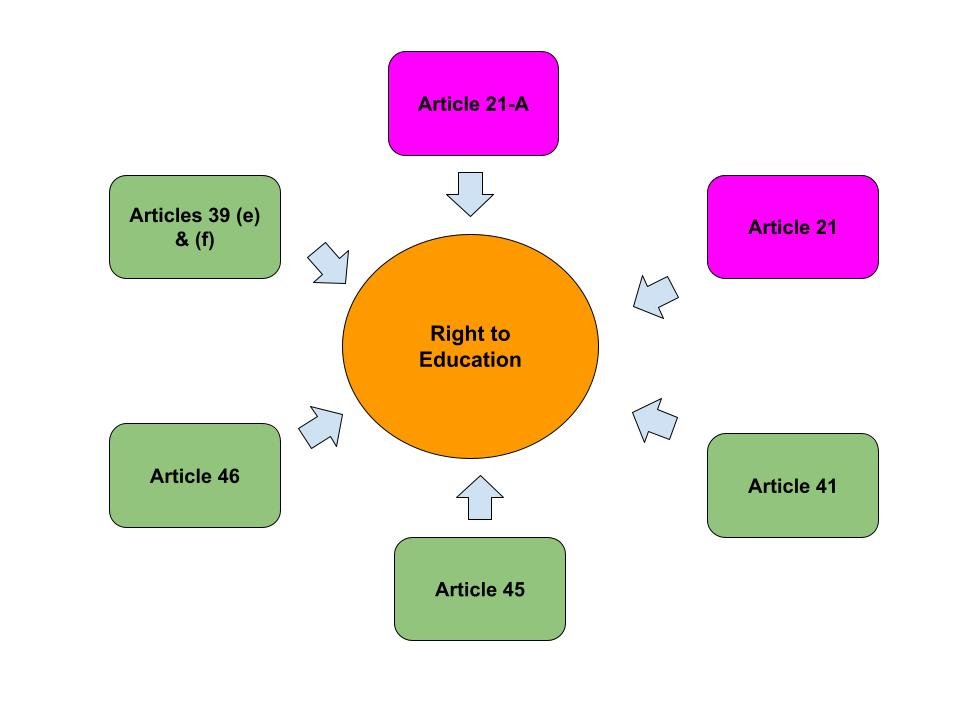
    The Right to Education Act (RTE), 2009, guarantees free and compulsory education to every child aged 6 to 14 years as a fundamental right under Article 21A of the Constitution.

    This was a big deal when it passed — India became one of over 135 countries to make education a constitutionally guaranteed right, not just a government policy or scheme.

    Who Is Covered Under RTE?

    The Act applies to all children between 6 and 14 years, covering elementary education from Class 1 to Class 8. Notably, it doesn’t currently extend to pre-primary education or secondary school (Class 9 onwards), which is a gap many education activists have pushed to fix over the years.

    The 25% Reservation Rule in Private Schools

    This is probably the most talked-about provision of the Right to Education Act. Private unaided schools must reserve 25% of entry-level seats for children from economically weaker sections (EWS) and disadvantaged groups, with the government reimbursing the schools for this.

    Picture a family in Jaipur earning under the state’s EWS income threshold — their child can get admission into a reputed private school through this quota, something that would’ve been financially impossible otherwise.

    What Counts as “Free” Education?

    Under the RTE Act, “free” means the school cannot charge any fee, capitation fee, or expenses that would prevent a child from pursuing elementary education, and no child can be held back, expelled, or required to pass a board exam until Class 8.

    This “no detention” policy has actually been controversial — some states have since amended it, allowing detention from Class 5 or 6 onwards, based on concerns about learning outcomes.

    Key Provisions Parents Should Know

    • No capitation fees or donation demands for admission
    • No screening procedures or interviews for admission (for the child or parents)
    • Prohibition on physical punishment and mental harassment
    • Pupil-Teacher Ratio (PTR) norms schools must maintain
    • School Management Committees with parent representation

    I’ve noticed many parents don’t realize that “donation” demands during admission season are actually illegal under this Act — schools rely on parents simply not knowing their rights.

    What Happens If a School Violates RTE?

    Violations can be reported to the District Education Officer or the State Commission for Protection of Child Rights (SCPCR). Penalties for schools can include fines up to ₹1 lakh for unrecognized operation, and repeat capitation fee violations can attract fines up to 10 times the fee collected.

    Common Challenges in RTE Implementation

    Honestly, implementation has been patchy across states. I’ve seen private schools deliberately create “vacancy” ambiguity to avoid the 25% quota, delayed reimbursements causing schools to resist admissions, and parents simply unaware their child even qualifies. These aren’t flaws in the law itself so much as gaps in enforcement.

    Does RTE Cover Higher Education?

    No — and this is a common misunderstanding. The Right to Education Act specifically covers elementary education (age 6-14). Secondary and higher education fall under separate policies and schemes, not this particular constitutional guarantee.

    [link to related guide on student legal rights here] [link to related guide on filing a complaint with the education department here]

    FAQs

    Q1. Does RTE apply to private schools too? Yes, private unaided schools must reserve 25% of entry-level seats under RTE for EWS children.

    Q2. Can a child be expelled for poor academic performance under RTE? No, the Act prohibits expulsion or detention until Class 8 in its original form, though some states have amended this.

    Q3. Is pre-school covered under the Right to Education Act? No, the Act currently covers only ages 6 to 14, excluding pre-primary education.

    Q4. What documents are needed for RTE admission in private schools? Typically income certificate, caste certificate (if applicable), address proof, and the child’s age proof.

    Q5. Who reimburses private schools for RTE admissions? The respective state government reimburses schools based on prescribed per-child costs.

    Conclusion

    The Right to Education Act isn’t just a policy footnote — it’s a constitutional promise that every child deserves a shot at quality education, regardless of family income. If you believe your child qualifies for the 25% quota or a school is violating RTE norms, don’t stay quiet about it. File a complaint with your District Education Officer and make sure your child gets what the law already guarantees them.

    Suggested Image Alt Text:

    1. “Right to Education Act 25% reservation infographic”
    2. “Children in classroom under RTE Act India”
    3. “RTE admission document checklist for parents”
  • Student Legal Rights in India: What You Should Know

    Student Legal Rights in India: What You Should Know

    Introduction

    Most students go through their entire academic life without knowing what student legal rights actually protect them — until something goes wrong, like unfair expulsion or harassment by faculty. That’s the wrong time to start learning. Whether you’re in school or university, there are specific legal protections you’re entitled to, and honestly, most institutions count on students not knowing this.

    What Are Student Legal Rights, Broadly?

    Student legal rights in India cover protection against discrimination, harassment, arbitrary expulsion, and denial of due process, drawing from constitutional guarantees, UGC regulations, and specific anti-ragging and anti-harassment laws.

    These rights apply whether you’re in a government school, private college, or a deemed university — though the specific enforcement mechanisms can differ.

    Right Against Ragging

    Ragging is a criminal offence under UGC regulations and various state anti-ragging laws, not just a “college tradition” to tolerate. Institutions are legally required to have anti-ragging committees, and severe cases can lead to expulsion of the perpetrator along with criminal charges.

    I’ve noticed students often hesitate to report ragging out of fear of social backlash, but institutions can face UGC funding cuts for failing to act on complaints — this actually gives students significant leverage if they push for action.

    Right Against Sexual Harassment (POSH and UGC Regulations)

    Every educational institution must have an Internal Complaints Committee (ICC) under the POSH Act, 2013, plus UGC’s specific regulations on sexual harassment. Picture a student in a Jaipur college facing inappropriate comments from a professor — she has the legal right to file a complaint with the ICC, and the institution is bound to investigate within a defined timeframe.

    Right to Due Process Before Expulsion

    Among student legal rights, one of the most important is the right to a fair hearing before any expulsion or major disciplinary action — courts have repeatedly held that institutions can’t expel students arbitrarily without following natural justice principles.

    This means you’re entitled to know the charges against you, present your side, and in many cases, appeal the decision before it’s finalized.

    Right to Access Academic Records

    Students generally have the right to access their own academic records, examination answer sheets (through RTI in many state universities), and grievance redressal for grading disputes. Not every university makes this easy, admittedly, but the legal right exists.

    Right Against Discrimination

    Discrimination based on caste, religion, gender, or disability in admissions, hostel allocation, or academic treatment is prohibited. The Rights of Persons with Disabilities Act, 2016 specifically mandates reasonable accommodation for students with disabilities in exams and infrastructure.

    What About Fee Disputes and Refunds?

    UGC guidelines require institutions to refund fees on a sliding scale if a student withdraws before the course starts or within a specified period after. I’ve seen colleges try to withhold entire fees regardless of withdrawal timing — this actually violates UGC circulars, and students can approach the University Grievance Redressal Committee or consumer forums for this.

    How to Actually Exercise These Rights

    1. Document everything in writing — emails, not just verbal complaints
    2. Approach the institution’s internal grievance committee first
    3. If unresolved, escalate to the UGC’s student grievance portal or university ombudsperson
    4. For serious violations, consider a police complaint or writ petition, depending on severity

    Has this ever happened to you — feeling like complaining will just make things worse academically? That fear is real, but institutions generally can’t legally retaliate against a student for filing a genuine complaint, and doing so opens them to further liability.

    [link to related guide on Right to Education Act here] [link to related guide on filing an RTI application here]

    FAQs

    Q1. Can a college expel a student without any hearing? No, courts require institutions to follow due process and give students a fair opportunity to respond before expulsion.

    Q2. Is ragging a criminal offence in India? Yes, ragging is treated as a criminal offence under various state laws and UGC regulations, not just a disciplinary matter.

    Q3. Can students get fee refunds if they withdraw from a course? Yes, UGC guidelines mandate partial or full refunds depending on when the withdrawal happens.

    Q4. Where can a student file a harassment complaint against a professor? With the institution’s Internal Complaints Committee (ICC) under the POSH Act.

    Q5. Do private colleges also have to follow UGC student rights guidelines? Yes, UGC regulations apply broadly across recognized institutions, including private colleges and deemed universities.

    Conclusion

    Knowing your student legal rights isn’t about being confrontational with your institution — it’s about understanding what protections already exist so you’re not powerless if something genuinely goes wrong. From ragging to unfair grading to harassment, the law backs you more than most students realize. If you’re currently facing an unresolved issue at your institution, start documenting it in writing today and approach the appropriate grievance committee before too much time passes.

  • FIR Process Explained: What Happens After Filing?

    FIR Process Explained: What Happens After Filing?

    Introduction

    You’ve just filed an FIR — now what? This is genuinely one of the most common questions I get, because police stations aren’t exactly great at explaining next steps to complainants. The FIR process can feel like a black box once you walk out of the station, but it actually follows a fairly defined legal path. Let’s walk through it stage by stage.

    What Is an FIR, Really?

    An FIR, or First Information Report, is the police’s written record of information about a cognizable offence, and it formally kicks off the criminal investigation process.

    Cognizable offences are the serious ones — like theft, assault, or murder — where police can arrest without a warrant and start investigating immediately, unlike non-cognizable offences which need a magistrate’s permission first.

    Step 1: Registration of the FIR

    Once you report a cognizable offence, the police are legally bound to register it under Section 154 of CrPC (now Section 173 of BNSS post-2024 reforms). You get a free copy of the FIR — always ask for this, because I’ve seen people forget and struggle later to prove they even filed one.

    Step 2: Investigation Begins

    This is where the actual FIR process kicks into gear. The Investigating Officer (IO) starts gathering evidence — visiting the crime scene, recording witness statements, collecting forensic evidence if needed. Picture a burglary case in a Jaipur housing colony — the IO would typically check CCTV footage, dust for fingerprints, and record neighbours’ statements within the first few days.

    Step 3: Arrest (If Applicable)

    Not every FIR leads to an immediate arrest. Police assess whether arrest is necessary based on the severity of the offence, flight risk, and evidence available. Post the landmark Arnesh Kumar v. State of Bihar judgment, police are actually required to justify arrests more carefully, especially in offences punishable with less than 7 years imprisonment.

    Step 4: Recording Statements Under Section 161

    Witnesses, including you as the complainant, may be called to give statements to the police during investigation. These aren’t recorded under oath and can’t directly be used as evidence in court, but they guide the investigation’s direction significantly.

    Step 5: Filing the Chargesheet

    Once investigation is complete, the police file a chargesheet (now called a “final report” under BNSS) in court within a prescribed period — typically 60 to 90 days depending on the offence’s severity — detailing the evidence and accused persons.

    If police believe there’s insufficient evidence, they can file a “closure report” instead, which the complainant can object to before the magistrate.

    Step 6: Cognizance by the Court

    The magistrate reviews the chargesheet and decides whether to take cognizance — meaning proceed with the case against the accused. This is a judicial check on police work, ensuring the investigation actually holds up.

    Step 7: Trial Proceedings

    From here, it moves into regular criminal trial territory — framing of charges, prosecution evidence, cross-examination, defence evidence, and finally judgment. This stage, unfortunately, is often where the FIR process slows down the most due to court backlogs.

    What If Police Refuse to Register an FIR?

    This happens more often than it should. Your options include:

    • Approaching the Superintendent of Police under Section 154(3)
    • Filing a complaint directly with the magistrate under Section 156(3)
    • In extreme cases, filing a writ petition in the High Court

    I’ve noticed people give up too quickly at the police station level when there are clear legal remedies available if an FIR is wrongfully refused.

    [link to related guide on bailable vs non-bailable offences here] [link to related guide on how to file a police complaint here]

    FAQs

    Q1. Can an FIR be withdrawn once filed? Not directly by the complainant in most cases; only the court or in specific compoundable offences can allow withdrawal.

    Q2. How long does police investigation take after an FIR? Typically 60-90 days for chargesheet filing, though complex cases can take longer with court extensions.

    Q3. Is a copy of the FIR free? Yes, the complainant is legally entitled to a free copy immediately after registration.

    Q4. What’s the difference between FIR and chargesheet? FIR starts the investigation; the chargesheet is the final report filed in court after investigation concludes.

    Q5. Can I file an FIR online? Many states now allow online FIR filing for certain offences like vehicle theft, though serious crimes usually still need in-person reporting.

    Conclusion

    Understanding the FIR process — from registration through investigation, chargesheet, and trial — helps you know what to expect and when to push back if things stall. It’s a long road, admittedly, but knowing each stage means you won’t feel lost or powerless along the way. If your case seems stuck at any stage, don’t just wait passively — follow up with the IO in writing and keep a paper trail of every interaction.

  • Bailable and Non-Bailable Offence: What’s the Difference?

    Bailable and Non-Bailable Offence: What’s the Difference?

    Introduction

    “Is this offence bailable?” is usually the first panicked question a family asks once someone’s been arrested. Understanding the difference between a bailable and non-bailable offence genuinely changes how you strategize your next move — whether that’s arranging bail at the police station itself or preparing for a formal bail application in court. Let’s get into the actual mechanics.

    The Core Difference

    A bailable offence is one where the accused has a legal right to bail, while in a non-bailable offence, bail is granted at the discretion of the court, not as a matter of right.

    This distinction, listed in the First Schedule of the CrPC (now BNSS), generally correlates with how serious the offence is — though not always perfectly.

    Bailable Offences: What You Need to Know

    For bailable offences, the police officer or the court must grant bail if the accused is willing to furnish it — there’s genuinely no discretion involved here. Common examples include:

    • Simple hurt (Section 115 BNS, formerly 323 IPC)
    • Public nuisance
    • Defamation in most cases
    • Cheating without breach of trust

    The process here is relatively quick — often the accused can be bailed out directly from the police station within hours, without even needing to approach a court.

    Non-Bailable Offences: The Discretionary Zone

    Non-bailable offences are the more serious ones — murder, rape, dacoity, offences under the NDPS Act for larger quantities, and so on. Here, bail isn’t automatic. The accused must approach a Sessions Court or High Court, and the judge weighs several factors:

    1. Severity and nature of the offence
    2. Flight risk of the accused
    3. Possibility of tampering with evidence or influencing witnesses
    4. Criminal history of the accused
    5. Health, age, and other humanitarian factors

    Anticipatory Bail: A Separate Category Worth Knowing

    Here’s something people often miss when discussing bailable and non-bailable offence categories — anticipatory bail under Section 438 CrPC (now Section 482 BNSS) is a pre-arrest safeguard, applicable when someone fears arrest for a non-bailable offence. Picture a businessman in Jaipur facing a cheque bounce complaint that’s escalated with additional cheating allegations — anticipatory bail lets him seek protection before any arrest happens, rather than scrambling after the fact.

    Cognizable vs Non-Cognizable: A Related but Different Concept

    I’ve noticed people frequently confuse this with bailable/non-bailable, but they’re actually separate classifications:

    • Cognizable/non-cognizable relates to police power to arrest and investigate without court permission
    • Bailable/non-bailable relates purely to the right to bail

    An offence can be cognizable and bailable at the same time, or non-cognizable and non-bailable — the two classifications don’t perfectly overlap.

    How Courts Decide Bail in Non-Bailable Cases

    For a non-bailable offence, courts generally apply the principle that “bail is the rule, jail is the exception,” especially for offences punishable with less than 7 years — though this presumption weakens considerably for heinous crimes like murder or terrorism.

    This principle, reaffirmed repeatedly by the Supreme Court, actually favours the accused more than most people assume, provided there’s no strong flight risk or evidence tampering concern.

    Practical Steps If Someone You Know Is Arrested

    • Immediately find out whether the offence is bailable or non-bailable
    • For bailable offences, arrange the bail amount and a surety quickly at the police station
    • For non-bailable offences, consult a criminal lawyer immediately to prepare a regular or anticipatory bail application
    • Gather character references and documents showing roots in the community — these help discretionary bail applications significantly

    FAQs

    Q1. Can police refuse bail in a bailable offence? No, bail is a legal right in bailable offences, and refusal can be challenged immediately.

    Q2. Is murder a bailable or non-bailable offence? Non-bailable, and bail is granted very rarely at the initial stage given the severity.

    Q3. What is anticipatory bail used for? It protects a person from arrest in a non-bailable offence before they’re actually taken into custody.

    Q4. Can non-bailable offence bail conditions be modified later? Yes, courts can modify bail conditions upon application if circumstances change.

    Q5. Does compounding an offence affect bail status? Compounding relates to withdrawal/settlement of certain offences and is a separate concept from bail eligibility.

    Conclusion

    Knowing whether you’re dealing with a bailable and non-bailable offence shapes your entire legal strategy — from how fast you can secure release to which court you need to approach. It’s not just legal terminology; it’s the difference between hours and months of uncertainty for a family. If you’re facing this situation right now, don’t wait — get the offence classification confirmed by a criminal lawyer immediately so you can act on the right remedy.

  •  Private Limited Company Registration Process in India

     Private Limited Company Registration Process in India

    Introduction

    Every second founder I talk to has the same question: “What’s the actual private limited company registration process — and how long will it realistically take?” Fair question, because between MCA portals, DSCs, and SPICe+ forms, it can feel overwhelming fast. Let me break this down the way I’d explain it to a friend starting their first business, not the way a government website explains it.

    Why Choose a Private Limited Company?

    A private limited company offers limited liability protection, easier fundraising, and better credibility with investors compared to a proprietorship or partnership — making it the preferred structure for most Indian startups.

    That said, it’s not automatically the right choice for everyone. If you’re running a small solo consulting gig, an LLP or even a sole proprietorship might genuinely serve you better with less compliance burden.

    Step 1: Obtain Digital Signature Certificate (DSC)

    Since the entire private limited company registration process happens online, every proposed director needs a Digital Signature Certificate. This usually takes 1-2 days and costs around ₹1,000-₹1,500 per person through certifying agencies.

    Step 2: Apply for Director Identification Number (DIN)

    DIN is now typically applied for directly within the SPICe+ form itself, so you don’t need a separate application in most cases anymore — this used to be a separate step before 2020 reforms simplified things.

    Step 3: Name Reservation via SPICe+ Part A

    You propose up to two company names through the SPICe+ (Simplified Proforma for Incorporating Company Electronically) form on the MCA portal. My honest advice — have backup names ready, because roughly 30-40% of proposed names get rejected for being too similar to existing trademarks or companies.

    Step 4: Draft MOA and AOA

    The Memorandum of Association (MOA) defines what your company can do, while the Articles of Association (AOA) governs internal management. These get filed electronically as part of SPICe+ Part B.

    Step 5: File SPICe+ Part B With Required Documents

    This is where most of the actual paperwork happens. You’ll need:

    • PAN and Aadhaar of all directors
    • Proof of registered office address (rent agreement/utility bill)
    • Passport-size photographs
    • NOC from the property owner if the office is rented

    At this stage, PAN and TAN for the company get generated automatically too, which is genuinely convenient compared to the older, fragmented process.

    Step 6: Certificate of Incorporation

    Once the Registrar of Companies (RoC) verifies everything, you get your Certificate of Incorporation — this is your company’s official birth certificate, complete with a Corporate Identification Number (CIN).

    In practice, the entire private limited company registration process now takes anywhere from 7 to 15 working days if your documents are in order, down significantly from the 25-30 days it took before 2020 reforms.

    Step 7: Open a Bank Account

    With your Certificate of Incorporation, PAN, and MOA/AOA in hand, you can open a current account in the company’s name. Most banks now offer this as a same-day service if you’re incorporating with them directly.

    Costs Involved

    Rough numbers for 2026 (these vary by state and authorized capital):

    • Government fees: ₹1,000-₹5,000 depending on authorized capital
    • Stamp duty: varies by state, Rajasthan being on the moderate side
    • Professional fees (CA/CS): ₹5,000-₹15,000 typically

    Post-Incorporation Compliances You Can’t Skip

    I’ve seen founders celebrate incorporation and then completely forget the follow-up compliances — first board meeting within 30 days, appointment of auditor within 30 days, and filing INC-20A (commencement of business) within 180 days. Miss these, and penalties add up fast.

    [link to related guide on corporate governance here] [link to related guide on GST registration for new companies here]

    FAQs

    Q1. How much capital is needed to start a private limited company? There’s no minimum capital requirement anymore; you can start with even ₹1 as authorized capital.

    Q2. Can a single person start a private limited company? No, a private limited company needs a minimum of two directors and two shareholders (they can be the same people).

    Q3. Is GST registration part of company registration? Not automatically — you need to apply separately once your turnover crosses the threshold or if you want voluntary registration.

    Q4. Can I register my home address as the registered office? Yes, that’s allowed, as long as you have proof of address and NOC where applicable.

    Q5. What happens if I don’t file INC-20A on time? Your company can’t legally commence business, and penalties apply for delayed filing.

    Conclusion

    The private limited company registration process looks intimidating on paper, but broken into these seven steps, it’s genuinely manageable within two weeks if your documents are ready. Don’t let the paperwork scare you away from formalizing your business — the credibility and liability protection you gain are worth the short-term hassle. Get your DSC and documents ready today, and you could have your Certificate of Incorporation before the month is out.

  • Corporate Governance Meaning: A Practical Business Guide

    Corporate Governance Meaning: A Practical Business Guide

    Introduction

    Ask a founder what corporate governance means, and you’ll often get a blank stare followed by “isn’t that just for big listed companies?” That’s actually a common misconception, and a costly one. Corporate governance affects every company, whether you’re a startup with three employees or a listed giant with lakhs of shareholders. Let’s actually unpack what this term means and why it should matter to you.

    What Does Corporate Governance Actually Mean?

    Corporate governance refers to the system of rules, practices, and processes by which a company is directed and controlled, balancing the interests of shareholders, management, employees, and the wider community.

    In plain English? It’s about who’s accountable to whom, and making sure no single person or group can run the company into the ground without checks in place.

    Why Corporate Governance Matters More Than You Think

    I’ve noticed that founders often treat governance as a compliance checkbox rather than something that genuinely protects their business. That’s a mistake. Poor governance is exactly what led to collapses like Satyam Computers back in 2009 — a case that’s still taught in every corporate law classroom in India, and for good reason.

    The Key Pillars of Corporate Governance

    Let’s break down what actually makes up good corporate governance:

    • Accountability: Directors and management must answer for their decisions
    • Transparency: Financial and operational information should be disclosed honestly
    • Fairness: All shareholders, including minority ones, deserve equal treatment
    • Responsibility: The board must act in the company’s and stakeholders’ best long-term interest

    Board of Directors: The Backbone of Governance

    The board is where corporate governance meaning really translates into practice. Under the Companies Act, 2013, certain companies must have independent directors, women directors, and audit committees. Picture a mid-sized manufacturing company in Rajasthan expanding into exports — a strong, independent board can catch red flags in overseas contracts that an owner-only management might completely miss.

    SEBI’s Role in Listed Companies

    For listed companies, SEBI’s Listing Obligations and Disclosure Requirements (LODR) Regulations set out specific corporate governance norms, including board composition, related-party transaction disclosures, and whistleblower mechanisms.

    This is stricter than what private companies face, but honestly, a lot of these principles are worth adopting voluntarily even if you’re not legally required to.

    Common Governance Failures I’ve Seen

    • Founders treating company funds as personal money (blurring the corporate veil)
    • No proper minutes or documentation of board decisions
    • Related-party transactions done without disclosure or approval
    • Ignoring minority shareholder rights in family-run businesses

    I’ll be honest — the third one is probably the most common issue I come across, especially in closely-held companies where the founder assumes “it’s my company, I can do what I want.” Legally, that’s not quite true once you’ve incorporated.

    Corporate Governance vs Corporate Compliance

    These terms get used interchangeably, but they’re not the same. Compliance is about following specific laws and filing deadlines. Governance is the broader philosophy and structure that determines how decisions get made in the first place. You can be fully compliant on paper and still have terrible governance if your board is a rubber stamp.

    How Small Businesses Can Build Good Governance Early

    You don’t need a 12-member board to practice decent corporate governance. Even a two-person startup can:

    1. Maintain proper minute books from day one
    2. Separate personal and company bank accounts strictly
    3. Document major decisions in writing, even informally at first
    4. Bring in an outside advisor or mentor for an unbiased perspective

    Building these habits early saves enormous headaches when you eventually raise funding, because investors scrutinize governance closely during due diligence.

    [link to related guide on private limited company registration here] [link to related guide on director duties under Companies Act here]

    FAQs

    Q1. Is corporate governance only for listed companies? No, private companies benefit from good governance too, even if legal requirements are lighter.

    Q2. What law governs corporate governance in India? Primarily the Companies Act, 2013, along with SEBI LODR Regulations for listed entities.

    Q3. What is the role of independent directors? They bring an unbiased perspective and help protect minority shareholder and stakeholder interests.

    Q4. Can poor corporate governance lead to legal action? Yes, directors can face personal liability for governance failures like fraud or negligence.

    Q5. Does a startup need a governance framework from day one? It helps significantly, especially when approaching investors who evaluate this during due diligence.

    Conclusion

    Understanding corporate governance meaning isn’t just an academic exercise — it’s about building a business that can survive scrutiny, scale responsibly, and attract serious investors. Whether you’re running a two-person startup or eyeing an IPO someday, the governance habits you build now will follow you. Start documenting your decisions properly today; future-you (and your investors) will thank you.

  •  Fundamental Rights and Duties: A Complete Guide

     Fundamental Rights and Duties: A Complete Guide

    Introduction

    Ask ten people what fundamental rights and duties actually mean, and you’ll probably get ten vague answers involving “freedom” and “being a good citizen.” Fair enough — school textbooks don’t exactly make this exciting. But these aren’t just constitutional trivia; they genuinely affect what you can and can’t do, and what the government owes you versus what you owe the nation. Let’s actually break this down properly.

    What Are Fundamental Rights?

    Fundamental rights are basic freedoms guaranteed to every citizen under Part III of the Indian Constitution, enforceable directly in the Supreme Court or High Courts if violated.

    There are six categories currently: Right to Equality, Right to Freedom, Right against Exploitation, Right to Freedom of Religion, Cultural and Educational Rights, and Right to Constitutional Remedies. The Right to Property, interestingly, used to be a fundamental right but was downgraded to a legal right in 1978 through the 44th Amendment.

    Breaking Down Each Fundamental Right

    Let’s go through them a bit faster:

    • Right to Equality (Articles 14-18): No discrimination based on religion, race, caste, sex, or place of birth
    • Right to Freedom (Articles 19-22): Speech, assembly, movement, and protection against arbitrary arrest
    • Right against Exploitation (Articles 23-24): Bans human trafficking and child labour in hazardous jobs
    • Right to Freedom of Religion (Articles 25-28): You can practice, profess, and propagate any religion
    • Cultural and Educational Rights (Articles 29-30): Protects minority communities’ right to run their own institutions
    • Right to Constitutional Remedies (Article 32): Called the “heart and soul” of the Constitution by Dr. Ambedkar himself

    What Are Fundamental Duties?

    Fundamental duties, added later through the 42nd Amendment in 1976, are listed under Article 51A. Unlike rights, these aren’t legally enforceable in court — you can’t be jailed for “not respecting the national flag” in a technical sense, though certain related laws do impose penalties.

    There are 11 duties in total, including things like respecting the Constitution, protecting public property, preserving the environment, and developing scientific temper. I’ll be honest — most Indians can’t name more than two or three of these off the top of their head.

    Why Rights Without Duties Don’t Work

    Here’s my honest take: rights and duties were never meant to function separately. A right to a clean environment (read into Article 21 by courts) means little if citizens don’t fulfil their duty to protect natural resources. Picture a housing society in Jaipur that fights for its right to clean drinking water while simultaneously dumping garbage into the same groundwater source — that’s the gap between rights and duties playing out in real life.

    Are Fundamental Duties Enforceable?

    No, fundamental duties under Article 51A are not directly enforceable by courts, but Parliament can — and has — enacted laws that make certain duties legally binding, like the Prevention of Insults to National Honour Act.

    This is a common point of confusion. Fundamental rights can get you a writ petition in court; fundamental duties generally can’t, unless backed by a specific statute.

    Landmark Cases That Shaped These Rights

    The Kesavananda Bharati case (1973) established that fundamental rights, while amendable, can’t be altered to destroy the “basic structure” of the Constitution. Maneka Gandhi v. Union of India (1978) expanded Article 21 hugely, reading in the right to live with dignity, not just physical existence.

    Balancing Rights and Duties in Daily Life

    I’ve noticed a pattern — people are far quicker to cite their rights than to acknowledge their duties. That’s human nature, honestly, and I don’t think Indians are unique in this. But a functioning democracy genuinely needs both sides working together, not just one.

    [link to related guide on writ petitions here] [link to related guide on Article 21 explained here]

    FAQs

    Q1. How many fundamental rights are there in India currently? Six, after the Right to Property was removed as a fundamental right in 1978.

    Q2. Can fundamental duties be enforced in court? Generally no, unless a specific law has been passed to enforce a particular duty.

    Q3. Which article is called the heart of the Constitution? Article 32, dealing with the Right to Constitutional Remedies.

    Q4. When were fundamental duties added? Through the 42nd Constitutional Amendment in 1976, based on the Swaran Singh Committee’s recommendations.

    Q5. Can fundamental rights be suspended? Yes, certain rights can be suspended during a national emergency, except Articles 20 and 21.

    Conclusion

    Understanding fundamental rights and duties isn’t just for law students preparing for exams — it shapes how you interact with the state and your fellow citizens every single day. Rights protect you; duties remind you that freedom comes with responsibility. Next time you exercise a right, take a second to think about the corresponding duty — it’s a small habit that actually matters more than we give it credit for.