Introduction
Someone once told me they thought notarization made a document “extra legal” — as if there’s a legal and an “extra legal” tier. That’s not quite how it works. Document notarization verifies identity and signature authenticity; it doesn’t automatically make a shaky agreement bulletproof. So when do you actually need it, and when are people just paying for a stamp they don’t require? Let’s clear that up.
What Does Notarization Actually Do?
A notary public — a government-appointed official — witnesses the signing of a document and certifies that the signatory is who they claim to be, signing willingly and knowingly. It’s essentially a fraud-prevention step, not a stamp of legal validity for the content itself.
Direct answer: Document notarization confirms the identity of signatories and that they signed voluntarily — it doesn’t validate the accuracy or legality of the document’s content, which remains the responsibility of the parties involved.
Documents That Commonly Require Notarization
- Affidavits for court or government submissions
- Power of attorney documents
- Property-related agreements, in certain states
- Educational certificate attestations for jobs or visas abroad
- Rental agreements, in some jurisdictions (though not always mandatory)
Notarization vs Registration: They Are Not the Same
This confuses a lot of people, honestly. Notarization is a simpler, cheaper process confirming signatures. Registration, on the other hand, involves recording the document with the sub-registrar’s office and is legally mandatory for certain transactions — like property sales above a certain value.
A notarized rental agreement, for instance, may still need registration if the lease term exceeds 11 months, depending on state rules. Skipping this step is one of the most common — and costly — mistakes people make.
The Notarization Process, Step by Step
- Carry the original document and a valid ID proof (Aadhaar, PAN, passport)
- Visit a licensed notary public — many operate near courts or registrar offices
- Sign the document in front of the notary (don’t pre-sign it at home)
- The notary verifies your identity, witnesses the signature, and applies their seal and signature
- Pay the applicable notary fee, which is usually nominal — often under ₹200 for standard documents
Is Notarization Mandatory for All Contracts?
No, and this is worth repeating because so many people assume otherwise. Most everyday agreements don’t legally require notarization to be valid. It becomes more relevant when a document is being submitted to a government authority, court, or foreign institution that specifically demands it.
[link to related guide on drafting a legally binding contract here]
E-Notarization: Is It a Thing in India?
Some states have started piloting digital notarization services, especially post-pandemic, but it’s not uniformly available across India yet. If you’re relying on e-notarization for a document, double-check whether the receiving authority actually accepts it — not every office does, even in 2026.
What Happens If a Notarized Document Is Later Disputed?
Notarization makes it harder to claim “I never signed this,” since there’s an official witness on record. But it doesn’t stop someone from disputing the content or terms of the document itself — that’s a separate legal battle, handled through regular contract or civil law.
FAQ
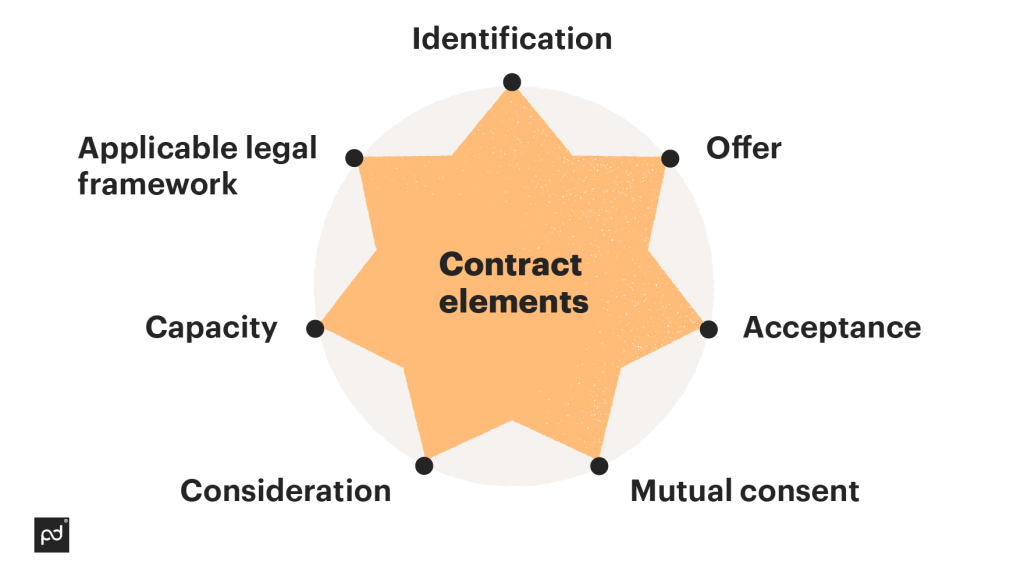
Q1. Does notarization make a contract legally enforceable? Not by itself. Enforceability depends on contract law elements like offer, acceptance, and consideration — notarization just adds identity verification.
Q2. How much does notarization typically cost in India? Usually quite affordable, often between ₹50 to ₹200 per document, depending on the notary and document type.
Q3. Can any document be notarized? Most private documents can be, but certain documents legally require registration instead, or in addition to, notarization.
Q4. Is notarization required for a will? Not mandatory in India, though many people choose to notarize wills for added credibility, alongside proper witness signatures.
Q5. Can I notarize a document online? Some states offer limited e-notarization, but it’s not universally accepted yet — verify with the receiving party first.
Conclusion
Document notarization is a useful, low-cost step for verifying identity and reducing fraud risk — but it’s not a magic seal that fixes a poorly drafted document. Know the difference between notarization and registration before you assume one covers the other. When your document involves government submissions, property, or power of attorney, it’s worth double-checking the exact requirement rather than guessing.