Introduction
Ever signed a hospital form without really reading it, just because the nurse was waiting and you wanted the procedure done? Most people have. But informed medical consent isn’t just a signature — it’s a legal right that protects you from procedures you didn’t fully understand or agree to. Has this ever happened to you — being handed a form minutes before a procedure, with barely time to skim it? That’s exactly the gap this law is meant to close.
What Counts as Informed Consent?
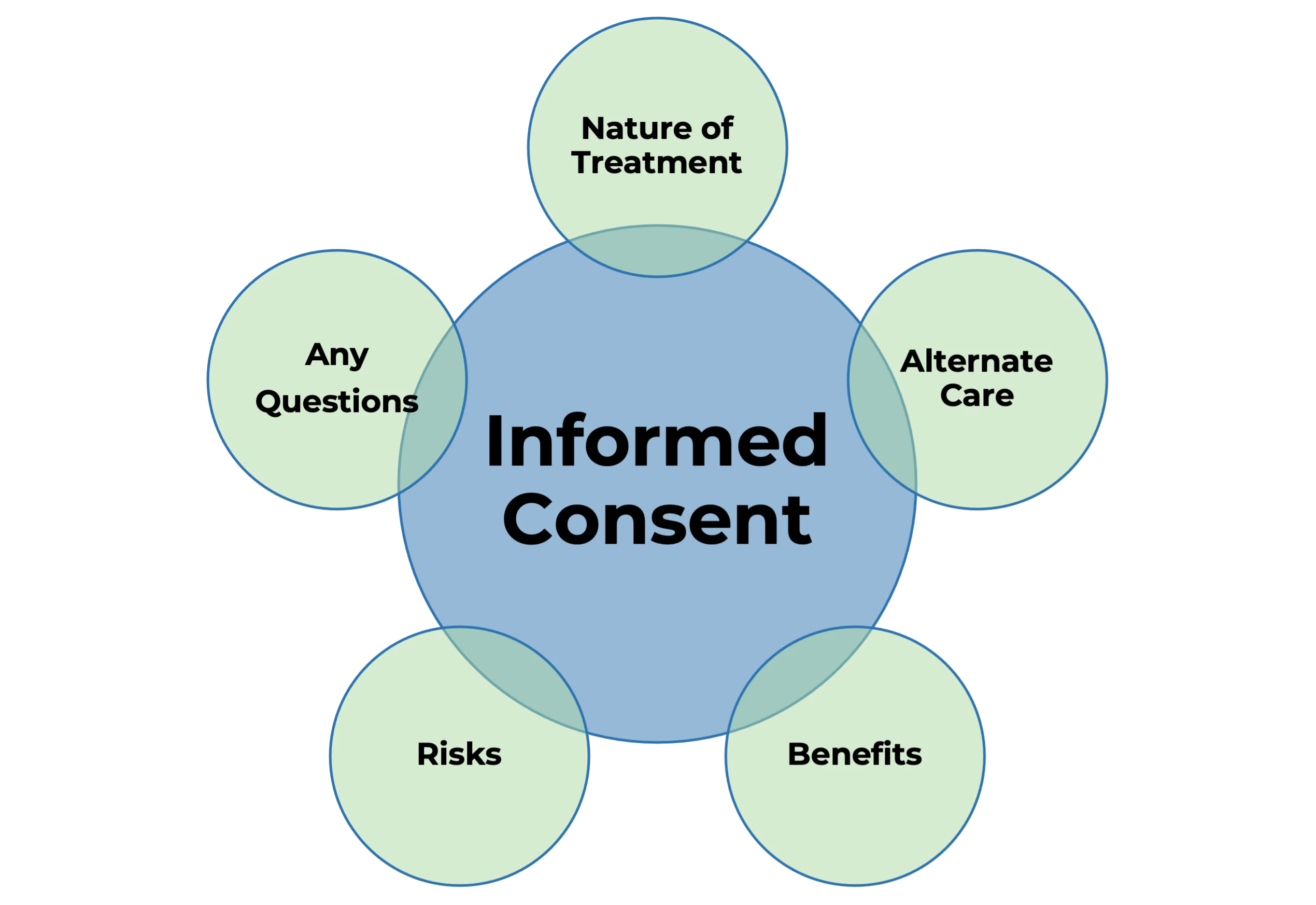
Legally, informed consent means a patient has been told, in understandable language, about the nature of the treatment, its risks, alternatives, and expected outcomes — before agreeing to it. A signature alone doesn’t satisfy this requirement if the explanation never actually happened.
Direct answer: Informed medical consent requires doctors to explain the procedure, risks, benefits, and alternatives in a language the patient understands, before obtaining agreement — silence or a rushed signature does not count as valid consent.
What Must Doctors Disclose?
Under Indian medical ethics regulations and various court rulings (including landmark Supreme Court judgments), doctors are expected to disclose:
- The nature and purpose of the treatment or surgery
- Material risks — not every rare risk, but ones a reasonable patient would want to know
- Available alternative treatments, including the option of no treatment
- Expected recovery and possible complications
Doctors don’t need to list every conceivable risk (that would be impossible), but they can’t hide significant, foreseeable ones either.
When Is Consent Not Required?
There are exceptions. In genuine medical emergencies where the patient is unconscious or unable to communicate, and immediate treatment is necessary to save life, doctors can proceed without formal consent. This is one area where I think the law gets it right — you can’t expect paperwork in a cardiac arrest situation.
Consent for Minors and Incapacitated Patients
For minors, parents or legal guardians provide consent. For patients who are mentally incapacitated, a close relative or legally appointed guardian typically steps in. Hospitals usually have a defined hierarchy for who can consent on someone else’s behalf, and disputes here can get legally complicated fast.
Written vs Verbal Consent
Not every procedure needs written consent. Minor treatments, like a routine blood test, are generally covered by implied consent — you rolled up your sleeve, after all. But surgeries, anesthesia, and invasive procedures legally require written, documented consent.
- Written consent is mandatory for surgical procedures
- Verbal consent may suffice for minor, low-risk interventions
- Implied consent covers routine examinations like checking blood pressure
Can You Withdraw Consent Mid-Treatment?
Yes, and this surprises a lot of people. A patient has the right to withdraw consent at any point, even mid-procedure in non-emergency situations, though doctors will explain the medical risks of stopping abruptly.
[link to related guide on patient rights in hospitals here]
What Happens If Consent Wasn’t Taken Properly?
If a doctor performs a procedure without valid consent, or exceeds the scope of what was consented to, it can amount to medical negligence or even battery under law. Several Indian court cases have awarded compensation to patients where consent was inadequate, vague, or obtained under pressure.
FAQ
Q1. Is a signed consent form always legally valid? Not automatically. If the patient wasn’t actually informed of the risks in understandable language, the form alone doesn’t protect the doctor.
Q2. Can a family member give consent instead of the patient? Only if the patient is a minor, unconscious, or legally deemed incapable of decision-making.
Q3. Do doctors have to explain in the patient’s own language? Ethically and practically, yes — consent given in a language the patient doesn’t understand is weak legally.
Q4. Can I refuse a treatment my doctor recommends? Yes, competent adult patients have the right to refuse treatment, even if doctors disagree with that choice.
Q5. What should I do if I feel I wasn’t properly informed before a procedure? You can raise it with the hospital’s grievance cell, approach the State Medical Council, or consult a lawyer about a medical negligence claim.
Conclusion
Informed medical consent exists to put decision-making power back where it belongs — with the patient. Next time you’re handed a form before a procedure, don’t just sign and move on. Ask questions. Ask about risks, alternatives, recovery time. A good doctor won’t rush you through this, and if they do, that itself is worth noting. Your body, your call — that’s really what this whole legal principle comes down to.