Author: shrwanswami@gmail.com

  • Guest Posting Services: Legal and Practical Checks Before You Publish

    Guest posts can help a business reach new readers, but publishing an article on another website involves more than choosing a topic and sending a draft. The content may make claims about products or services, use material created by someone else, or include links intended to influence search rankings. Each choice can raise legal, contractual, or platform-policy questions. A few checks before commissioning or publishing an article can reduce the risk of disputes and protect the credibility of both the author and the host website.

    Clarify What the Arrangement Includes

    “Guest posting” can describe several different arrangements: a writer contributes an article without payment, a business pays a publisher to place content, or a freelancer is hired to research and prepare a draft. Before work begins, put the scope in writing. Identify who will write, edit, approve, and publish the article, what the fee covers, whether publication is guaranteed, and what happens if a draft is rejected or needs substantial revision.

    If you are comparing options to buy guest posting services, ask for clear information about the publisher, editorial review, delivery timelines, and link placement. A service description is not a substitute for agreed terms. Be wary of promises that no provider can control, such as guaranteed search rankings or a specific volume of sales.

    Check Advertising and Endorsement Rules

    When a company pays for a post, provides free products, or otherwise gives the writer or publisher something of value, the relationship may need to be disclosed to readers. The exact legal requirements depend on the country and circumstances, but advertising and endorsement rules commonly focus on whether readers could mistake paid material for independent editorial content. A disclosure should be easy to notice and understand, not hidden among unrelated links or placed where readers are unlikely to see it.

    Both sides should agree who is responsible for adding the disclosure and where it will appear. A business should not assume that calling an article “guest content” automatically makes its commercial purpose clear. Publishers should also retain records of the arrangement and the final version, particularly if the article contains claims about a product, professional service, or expected results.

    Review Links and Search-Engine Policies

    Links can help readers find useful background, but paid links intended to manipulate search rankings can conflict with search-engine policies. Those policies are not the same as legislation, yet violating them may lead to reduced visibility or other platform consequences. Where a link is paid or sponsored, publishers should use the appropriate link attributes and disclose the relationship when required. Do not treat a link as a guaranteed ranking tool.

    Make sure each link is relevant to the article and genuinely useful to its audience. Avoid arrangements that require a writer to insert unrelated links, use misleading anchor text, or conceal the commercial nature of a placement. A host website should retain editorial control over what it publishes rather than accepting material solely because it contains a paid link.

    Settle Copyright and Ownership Questions

    A contract should say who owns the article and what rights the publisher receives. A writer might retain copyright while granting the website permission to publish and edit the work, or the parties may agree to a broader transfer of rights. The important point is to make the arrangement explicit. Also address whether the publisher can update, republish, or remove the article later.

    Writers should use original wording and obtain permission for photographs, illustrations, charts, and substantial quotations where necessary. Images found through a web search are not automatically free to reuse. Ask contributors to confirm that they created the material or have the rights needed to license it. Keep copies of permissions and source records in case a rights holder later raises a concern.

    Verify Claims and Protect Confidential Information

    Guest articles can create liability if they make false or misleading statements about a business, competitor, product, or professional service. The publisher should fact-check material claims and request support for specific figures, comparisons, and testimonials. Claims about health, finances, legal outcomes, or guaranteed performance deserve particular care. A disclaimer does not necessarily cure a misleading statement.

    Writers should also avoid including private client information, internal business records, or personal data without a lawful basis and appropriate permission. If a draft draws on a real case or customer experience, removing names may not be enough to prevent identification. Check any confidentiality obligations before sharing documents with an outside writer or service provider.

    Use a Clear Workflow for Freelancers

    Some businesses hire separate freelancers for research, writing, editing, and outreach. A marketplace such as Osdire offers services across categories including writing and marketing, so it can be one place to look for help. Whichever route you use, evaluate a freelancer’s relevant experience, samples, communication, and proposed process rather than relying on a profile alone. Agree on deadlines, revisions, confidentiality, rights, and payment milestones before work starts.

    For any online transaction, keep the brief, messages, invoices, drafts, approvals, and final publication details together. This record can help resolve disagreements about what was promised or delivered. It also makes it easier to show that the business reviewed the content rather than publishing it without oversight.

    A Practical Pre-Publication Checklist

    • Confirm the parties, deliverables, price, deadlines, and revision terms in writing.
    • Agree on copyright, permitted edits, and the right to republish or remove the article.
    • Review disclosures, sponsored links, and the host website’s editorial rules.
    • Check factual claims, image permissions, quotations, and any confidential information.
    • Save the final draft, approvals, permissions, and publication record.

    Guest posting can be a legitimate way to share expertise with a new audience, but a sound process matters as much as the article itself. Clear written terms, careful fact-checking, and transparent treatment of paid relationships help businesses and publishers avoid preventable problems. Because advertising, copyright, privacy, and contract rules differ by jurisdiction and situation, seek advice from a qualified lawyer when the arrangement or its potential consequences are significant.


  • Finding the Right Expert Witness Provider for Complex Legal Cases

    Finding the Right Expert Witness Provider for Complex Legal Cases

    When a legal dispute involves medicine, engineering, finance, technology, construction, or another highly specialized subject, lawyers can’t always rely on legal knowledge alone. Some questions require someone who has spent years working in the field and understands the details from the inside.

    That’s where an expert witness provider can become an important part of the litigation process. The right provider can connect attorneys with qualified professionals who know how to analyze evidence, explain complicated issues, and defend their opinions when the questions get tough. It sounds straightforward, but finding the right person for a case takes more thought than simply searching for someone with impressive credentials.

    Why Specialized Knowledge Matters in Litigation

    Lawyers spend their careers understanding statutes, regulations, procedure, and courtroom strategy. Experts bring a different kind of knowledge to the table.

    Imagine a lawsuit involving a serious workplace accident. The legal team may understand the relevant safety regulations, but determining how a piece of machinery failed could require an engineer or safety specialist. In a medical dispute, a physician may need to explain whether a particular decision met accepted professional standards. In a financial case, an accountant or economist could be needed to analyze losses.

    These aren’t minor details. Sometimes, they sit right at the heart of the dispute.

    The expert’s job is to provide specialized analysis that helps decision-makers understand evidence they might otherwise find difficult to interpret.

    What Does an Expert Witness Actually Do?

    An expert witness isn’t simply a professional who shows up in court and gives an opinion. Much of the real work happens beforehand.

    An expert may review documents, inspect physical evidence, analyze records, conduct calculations, research professional standards, or evaluate another expert’s conclusions. After reviewing the available information, they develop an opinion based on their knowledge and accepted methods.

    The quality of that process matters.

    For example, a construction expert might examine blueprints, photographs, inspection reports, and building materials before determining why a structure developed defects. A financial expert might analyze years of transactions before calculating economic damages.

    The final testimony is really the visible part of a much larger process.

    Choosing the Right Expert for the Case

    Not every qualified professional is automatically the right fit. An expert’s background should closely match the specific question at issue.

    An attorney handling a patent dispute may need someone with technical experience in the relevant technology. A transportation accident could call for an accident reconstruction specialist. A business valuation dispute may require someone who understands corporate finance and valuation methodology.

    This is why attorneys should define the actual problem before searching for an expert.

    Ask a simple question: What does the court need help understanding?

    Once that is clear, it becomes much easier to identify the appropriate discipline and evaluate potential candidates.

    Credentials Are Only the Beginning

    Education, certifications, professional licenses, publications, and years of experience can all be important. But credentials shouldn’t be viewed in isolation.

    Practical experience often tells a different story.

    Someone who has spent twenty years working directly in a particular industry may understand real-world problems that aren’t obvious from academic research. On the other hand, an academic researcher may bring a depth of specialized knowledge that is difficult to find elsewhere.

    The strongest candidates often combine both.

    Attorneys should also consider an expert’s history of professional work, previous testimony, publications, disciplinary record where relevant, and ability to explain their methodology. A long list of qualifications looks good on paper, but credibility is built through the whole picture.

    Communication Is a Surprisingly Big Deal

    An expert can be extremely knowledgeable and still be ineffective as a witness.

    Courtrooms aren’t academic conferences. Judges and jurors may not understand technical vocabulary, complex formulas, or industry-specific terminology. If an expert can’t explain an opinion clearly, even excellent analysis can become difficult to appreciate.

    Strong experts know how to make complicated subjects understandable without oversimplifying them.

    A medical expert might explain a complicated procedure using an everyday comparison. An engineer could use a diagram to show how a structural failure developed. A financial specialist might turn hundreds of pages of numbers into a clear timeline.

    That ability to communicate isn’t just a nice extra. It can shape how credible and useful the testimony appears.

    Maintaining Objectivity Builds Credibility

    One of the most important principles in expert witness work is independence.

    An expert may be retained by one side, but their professional opinion should remain grounded in evidence. They shouldn’t simply say whatever helps the attorney’s argument.

    This becomes particularly important during cross-examination.

    Opposing counsel may question the expert’s assumptions, methodology, qualifications, or conclusions. If the expert has carefully considered the evidence and can explain both the strengths and limitations of their opinion, they are usually in a stronger position.

    Sometimes the most credible answer is, “I don’t have enough information to conclude that.” That’s not weakness. It’s professional honesty.

    How Experts Prepare for Testimony

    Good testimony usually starts with good preparation.

    Experts may spend considerable time reviewing case materials, checking calculations, comparing reports, studying relevant standards, and identifying possible challenges to their conclusions.

    Attorneys may conduct preparation sessions to make sure the expert understands the issues likely to arise during deposition or trial. However, preparation shouldn’t turn into memorizing a script.

    A witness who sounds overly rehearsed can lose credibility quickly.

    Instead, the goal should be genuine familiarity with the evidence. If the expert understands the reasoning behind the opinion, they can respond naturally even when questions take an unexpected turn.

    The Role of Expert Testimony in Legal Cases

    The ultimate purpose of expert testimony is to help explain specialized information in a way that supports informed decision-making.

    Its importance can vary from one case to another. In some disputes, expert analysis may be a supporting piece of evidence. In others, it may become central to the entire argument.

    Medical malpractice claims, product liability disputes, intellectual property cases, financial litigation, environmental matters, and professional negligence claims can all involve complex questions that require specialist knowledge.

    For attorneys, that means expert selection deserves the same careful attention given to other major elements of case preparation.

    Making the Selection Process More Effective

    When evaluating potential experts, attorneys should look beyond a résumé and consider several practical questions:

    • Does the expert have relevant hands-on experience?
    • Is their professional background closely connected to the dispute?
    • Can they explain technical concepts clearly?
    • Have they prepared reports or testified previously?
    • Is their methodology reliable and defensible?
    • Are there potential conflicts of interest?
    • Can they remain calm and objective under challenging questioning?

    Taking the time to answer these questions can prevent problems later.

    A poorly matched expert may create more difficulties than they solve, while a well-matched specialist can bring clarity to evidence that otherwise feels overwhelming.

    Expertise Should Bring Clarity, Not More Confusion

    The best expert witnesses don’t try to dominate a courtroom with complicated language or impressive terminology. They make difficult information easier to understand. They know their field, understand the limits of their conclusions, and communicate with confidence without pretending to know everything.

    For attorneys working on complex legal cases, finding that balance can be invaluable.

    Ultimately, hiring an expert isn’t just about adding another professional to the litigation team. It’s about bringing in someone whose knowledge can illuminate an issue that ordinary evidence can’t fully explain.

    When the right expertise meets careful preparation and clear communication, complicated disputes become a little easier to navigate. And in litigation, where small details can carry enormous weight, that clarity can matter a great deal.

  • Power of Attorney Why Every Adult Should Have One

    Power of Attorney Why Every Adult Should Have One

    Life is unpredictable, and many people assume they only need legal documents later in life. The truth is that a power of attorney is one of the most important legal tools any adult can have, regardless of age or financial status. Whether you experience a medical emergency, travel frequently, own a business, or simply want to protect your future, having the right legal authority in place can help ensure your wishes are carried out when you cannot act on your own.

    Too often, families discover the importance of a power of attorney only after a crisis occurs. Without one, loved ones may face unnecessary legal hurdles, delays, and costly court proceedings before they can manage important financial or healthcare decisions. Understanding how this document works allows individuals to make informed decisions before unexpected situations arise.

    What Is a Power of Attorney?

    A power of attorney is a legal document that allows one person, known as the principal, to authorize another trusted individual, called the agent or attorney-in-fact, to make decisions on their behalf.

    The authority granted depends entirely on the document’s terms. Some powers are broad, while others are limited to specific responsibilities or timeframes.

    A properly drafted document can help ensure:

    • Financial obligations continue without interruption
    • Medical decisions align with your preferences
    • Property transactions move forward smoothly
    • Business operations remain stable
    • Family members avoid unnecessary legal complications

    Rather than taking away your independence, a power of attorney gives you greater control by allowing you to choose who will represent your interests if you cannot.

    Why Every Adult Should Consider One

    Many people associate estate planning with retirement, but legal planning begins much earlier. Accidents and illnesses can happen at any age.

    Young professionals, parents, military members, business owners, and retirees all benefit from having legal documents prepared before they are needed.

    Consider situations such as:

    • An unexpected hospitalization
    • Serious injury after an accident
    • Extended travel overseas
    • Military deployment
    • Progressive illness
    • Temporary physical incapacity

    Without advance planning, even spouses or adult children may not automatically have authority to make financial decisions or access certain accounts.

    Different Types of Power of Attorney

    Understanding the available options helps ensure your legal documents match your personal needs.

    General Power of Attorney

    A general power of attorney grants broad authority over financial and legal matters.

    An agent may be authorized to:

    • Manage bank accounts
    • Pay bills
    • Handle investments
    • Sign contracts
    • Buy or sell property
    • Conduct business transactions

    This type often ends if the principal becomes incapacitated unless specific provisions make it durable.

    Durable Power of Attorney

    A durable power of attorney remains effective even after the principal becomes mentally or physically incapacitated.

    For many estate planning strategies, this is one of the most valuable documents because it allows financial management to continue during difficult circumstances.

    Medical Power of Attorney

    A medical power of attorney authorizes someone to make healthcare decisions when the principal cannot communicate with medical providers.

    The appointed person may work with doctors regarding:

    • Treatment decisions
    • Surgical procedures
    • Long-term care
    • Rehabilitation
    • End-of-life care according to the principal’s wishes

    This document often works alongside healthcare directives and living wills.

    Limited Power of Attorney

    A limited power of attorney grants authority only for specific tasks.

    Examples include:

    • Selling a home while traveling
    • Managing one financial account
    • Completing a real estate transaction
    • Handling business during temporary absence

    Once the task is completed, the authority typically ends.

    Choosing the Right Agent

    Selecting an agent deserves careful thought because this person may make decisions affecting your finances, healthcare, or property.

    Look for someone who demonstrates:

    • Honesty
    • Responsibility
    • Strong communication skills
    • Financial judgment
    • Availability when needed
    • Willingness to honor your wishes

    Many people choose spouses, adult children, siblings, or close friends. Others select trusted professionals when family circumstances are more complex.

    Discuss your expectations with your chosen agent before completing the legal documents to ensure they understand your preferences.

    Common Misconceptions

    Many misconceptions prevent people from creating these important legal documents.

    “My spouse can automatically make decisions.”

    Not always.

    Certain financial institutions, healthcare providers, and government agencies may require legal authorization before allowing someone else to act on your behalf.

    “I’m too young.”

    Unexpected emergencies affect adults of every age.

    Having legal documents prepared early provides peace of mind long before retirement.

    “Power of attorney gives away all my control.”

    A properly drafted document allows you to define exactly what authority your agent receives.

    You remain in control while you have legal capacity.

    “I only need one document.”

    Many individuals benefit from separate financial and healthcare powers of attorney because each serves different purposes.

    Risks of Waiting

    Delaying legal planning can create unnecessary complications for families.

    Without a valid power of attorney, loved ones may need to petition a court for guardianship or conservatorship before making important decisions.

    This process can involve:

    1. Court hearings
    2. Attorney fees
    3. Medical evaluations
    4. Filing requirements
    5. Delays during emergencies
    6. Ongoing court supervision

    Planning ahead often helps avoid these additional expenses and emotional stress.

    How a Power of Attorney Fits Into Estate Planning

    Many people think estate planning only concerns distributing assets after death. In reality, effective planning also addresses what happens during life.

    A comprehensive estate plan may include:

    • Power of attorney
    • Medical directives
    • Living will
    • Last will and testament
    • Trust planning when appropriate
    • Beneficiary reviews

    Together, these documents help protect both individuals and their families during every stage of life.

    When Should You Update Your Documents?

    Creating legal documents is only the beginning.

    Review them after major life events, including:

    • Marriage
    • Divorce
    • Birth of a child
    • Death of an appointed agent
    • Significant financial changes
    • Moving to another state
    • Starting or selling a business

    Regular reviews help ensure your documents continue reflecting your current wishes and comply with applicable laws.

    Professional Legal Guidance Matters

    Although online templates are widely available, every person’s circumstances are different.

    State laws may have unique execution requirements, witness rules, notarization standards, and legal language that generic forms fail to address.

    Working with an experienced attorney helps ensure:

    • Documents meet legal requirements
    • Authority is clearly defined
    • Family circumstances are considered
    • Estate planning documents work together
    • Potential disputes are minimized

    Personalized legal advice can provide greater confidence that your wishes will be respected if your documents are ever needed.

    Building a Strong Legal Foundation 

    Preparing a power of attorney is not about expecting the worst. It is about making responsible decisions that protect your future and reduce uncertainty for the people you care about most.

    Whether you are beginning your estate planning journey or updating existing documents, taking action today can help prevent significant legal and financial challenges later. By choosing a trusted representative and creating legally sound documents, you maintain greater control over your future while providing valuable peace of mind for your loved ones.

    If you are considering adding a power of attorney to your estate plan, consulting an experienced legal professional can help ensure your documents reflect your goals, comply with Arizona law, and provide the protection you and your family deserve. To learn more about estate planning and legal services, visit guardianlawaz.

  •  Warranty vs Guarantee: Know the Real Legal Difference

     Warranty vs Guarantee: Know the Real Legal Difference

    Introduction

    Salespeople throw around “warranty” and “guarantee” almost interchangeably, and most customers nod along without really knowing the difference. But legally, they’re not the same thing at all, and that distinction can matter a lot when a product breaks down. Understanding warranty vs guarantee properly can save you from a frustrating argument at a service center down the line.

    The Core Legal Difference

    A warranty is a formal, often written, assurance from the manufacturer or seller about a product’s quality and performance, along with a commitment to repair or replace it within a specific period if it fails. A guarantee is broader and can be either a legal promise or simply a general assurance — sometimes covering a full refund rather than just repair.

    Direct answer: In warranty vs guarantee terms, a warranty typically covers repair or replacement of a defective product for a set period, while a guarantee often promises a full refund or complete satisfaction, and can be verbal or informal, not just written.

    Types of Warranties You Should Know

    • Express Warranty — explicitly stated in writing or verbally by the seller
    • Implied Warranty — automatically assumed under law, like a product being fit for its intended purpose
    • Extended Warranty — an add-on, usually paid separately, covering a longer period than the standard one

    Implied warranties are the ones people forget about most. Even without a written document, Indian consumer law assumes a product should reasonably work for its intended purpose — that’s an implied warranty in action.

    Is a Guarantee Legally Enforceable?

    Yes, if it’s been explicitly promised — verbally or in writing — a guarantee can be legally enforced under the Consumer Protection Act, 2019. The challenge is proof. A written guarantee is far easier to enforce than a verbal promise from a shopkeeper.

    Real-World Example

    Picture buying a mixer grinder in Jaipur with a “1-year guarantee, no questions asked” claim from the shopkeeper. Six months later, it stops working. If that guarantee was written on your bill or in the product manual, you have solid legal ground to demand a replacement or refund — not just a “sorry, can’t help” response.

    What’s Typically Covered vs Excluded?

    Warranties and guarantees usually cover manufacturing defects, not damage caused by misuse. Common exclusions include:

    • Physical damage from drops, water, or mishandling
    • Normal wear and tear over time
    • Unauthorized repairs by third parties, voiding the original warranty
    • Cosmetic issues that don’t affect functionality

    How to Protect Yourself as a Consumer

    I always tell people — keep everything. The bill, the warranty card, any written promise from the seller, even WhatsApp messages if that’s how the deal was negotiated. Courts and consumer forums take documented evidence seriously; vague memory of “he said it’s guaranteed” doesn’t hold up nearly as well.

    [link to related guide on filing a consumer court case here]

    When Warranty Claims Get Denied Unfairly

    If a company denies a legitimate warranty claim, you’re not without options. You can escalate to the company’s grievance officer, and if that fails, approach the consumer forum with your documentation. Companies often settle once a formal complaint is filed, simply to avoid the process.

    FAQ

    Q1. Which offers stronger consumer protection — warranty or guarantee? It depends on the specific terms, but a “money-back guarantee” is generally stronger than a repair-only warranty, since it removes ambiguity about what you’re entitled to.

    Q2. Can a seller refuse a warranty claim if I lost the receipt? They can make it harder, but registered warranties (linked to serial numbers) can sometimes be honored even without the original receipt.

    Q3. Does opening a product void its warranty? Often yes, if done by an unauthorized person — most warranties explicitly exclude damage from unauthorized repairs or tampering.

    Q4. Is an extended warranty worth buying? It depends on the product’s failure rate and repair cost — for expensive electronics, it’s often worth it; for cheaper items, less so.

    Q5. Can I demand a refund instead of a repair under warranty? Only if the guarantee terms specifically promise a refund, or if the product has failed repeatedly despite multiple repair attempts, under consumer law provisions.

    Conclusion

    The next time a salesperson says “don’t worry, it has a guarantee,” ask them to put it in writing. Knowing the real distinction in warranty vs guarantee isn’t just trivia — it directly affects what you can legally demand when something goes wrong. Keep your documents, read the fine print, and don’t hesitate to escalate to a consumer forum if a company tries to wriggle out of a promise they clearly made.

  • Untitled post 55

    Introduction

    Most people just give up when a company refuses to fix a faulty product or issue a refund. It feels like too much effort for the amount involved. But filing a consumer court case in India is actually far simpler — and cheaper — than most people assume. You don’t even need a lawyer for smaller claims. Let’s walk through exactly how it works.

    Who Can File a Consumer Complaint?

    Any individual who has purchased goods or hired a service for personal use — not for resale or commercial purposes — can file a complaint if they’ve faced deficiency in service or a defective product.

    Direct answer: To file a consumer court case in India, you submit a written complaint with supporting evidence to the appropriate consumer commission based on the claim value, either online through the e-Daakhil portal or in person, without necessarily needing a lawyer.

    Step 1: Try Resolving It Directly First

    Before heading to court, send a written complaint or legal notice to the seller or service provider, clearly stating the issue and what resolution you want. This isn’t just courtesy — it creates a paper trail that strengthens your case if it does go to court.

    Step 2: Identify the Right Forum

    Consumer disputes in India are handled at three levels based on claim value:

    • District Commission — claims up to ₹50 lakh
    • State Commission — claims between ₹50 lakh and ₹2 crore
    • National Commission — claims above ₹2 crore

    Most individual consumer disputes — a faulty phone, poor service, an insurance denial — fall well within District Commission territory.

    Step 3: Prepare Your Documents

    Gather everything relevant:

    • Purchase receipt or invoice
    • Warranty card or service agreement
    • Correspondence with the company (emails, WhatsApp, complaint numbers)
    • Photos or evidence of the defect, if applicable

    Step 4: File the Complaint

    You can file online through the e-Daakhil portal, which has genuinely simplified this process compared to a decade ago, or file physically at the District Consumer Commission office. The complaint should clearly state the facts, the deficiency, and the relief you’re seeking — refund, replacement, or compensation.

    [link to related guide on warranty vs guarantee rights here]

    Step 5: Pay the Filing Fee

    Fees are refreshingly low compared to regular civil court fees — often just a few hundred rupees for claims under a lakh, scaling up gradually for higher amounts. This is deliberately kept affordable to encourage genuine consumers to use the system.

    Step 6: Attend Hearings

    Once admitted, the commission issues notice to the opposite party, and both sides present their case over a few hearings. You can represent yourself — a lawyer isn’t mandatory, though for complex cases it can help.

    How Long Does It Take?

    Consumer cases are meant to be resolved faster than regular civil suits — often within 3 to 6 months for straightforward matters, though more contested cases can stretch longer depending on the commission’s workload.

    What Compensation Can You Get?

    Beyond refund or replacement, consumer courts can award compensation for mental agony, litigation costs, and in some cases, punitive damages against companies with a pattern of poor conduct.

    FAQ

    Q1. Do I need a lawyer to file a consumer complaint? No, it’s designed to be filed by individuals directly, especially for smaller claims through the e-Daakhil portal.

    Q2. Is there a time limit to file a consumer complaint? Yes, generally within 2 years from the date the cause of action arose, though delays can sometimes be condoned with valid reasons.

    Q3. Can I file a case against an online seller or e-commerce platform? Yes, e-commerce platforms and online sellers fall under the Consumer Protection Act’s jurisdiction, including specific e-commerce rules.

    Q4. What if the company doesn’t respond to the notice? The commission can proceed ex-parte and pass an order based on your evidence alone if the opposite party fails to appear.

    Q5. Can I claim compensation for mental harassment in a consumer case? Yes, consumer commissions in India regularly award compensation for mental agony alongside the primary relief sought.

    Conclusion

    Filing a consumer court case isn’t the intimidating, lawyer-heavy process people imagine it to be — it’s built for ordinary consumers to use without much hassle. If a company has genuinely wronged you in 2026, don’t just post an angry review and move on. Send that written complaint, gather your documents, and file through e-Daakhil if it doesn’t get resolved. The system works far more often than people expect once they actually try it.

  • Property Inheritance Law in India: Who Gets What Share

    Property Inheritance Law in India: Who Gets What Share

    Introduction

    Property disputes after a death in the family are painfully common — and often avoidable if people understood property inheritance law a little better beforehand. Siblings who got along fine for decades suddenly stop speaking over who gets the ancestral house. It’s a familiar story, honestly. The rules vary depending on religion, whether there’s a will, and the type of property involved. Let’s untangle it.

    Does Inheritance Law Differ by Religion in India?

    Yes, significantly. India doesn’t have a single uniform inheritance law — each religious community follows its own personal law unless a valid will overrides it.

    Direct answer: Property inheritance law in India varies by religion — Hindus follow the Hindu Succession Act, Muslims follow Sharia-based inheritance rules, and Christians follow the Indian Succession Act — with a valid will taking precedence over default rules in most cases.

    Hindu Succession Act: The Basics

    Under the Hindu Succession Act, 1956 (amended in 2005), if a Hindu male dies without a will (intestate), his property is divided among Class I heirs first — wife, children, and mother, all getting equal shares. Only if there are no Class I heirs does it move to Class II heirs, like siblings.

    The 2005 amendment was a genuinely significant change — it gave daughters equal coparcenary rights in ancestral property, same as sons, something that wasn’t the default before.

    Muslim Inheritance Rules

    Muslim inheritance in India generally follows Sharia principles, which prescribe fixed shares for specific heirs — spouses, children, parents — based on Quranic guidelines. Unlike Hindu law, a Muslim cannot will away more than one-third of their property to non-heirs without the consent of all legal heirs.

    Christian and Parsi Succession

    Christians and Parsis in India are governed by the Indian Succession Act, 1925. Without a will, the estate is divided among the spouse and children according to defined proportions under this Act — different from both Hindu and Muslim rules.

    What Happens If There’s a Will?

    A valid will generally overrides personal succession laws, within certain limits (as noted above for Muslim law). This is why I always tell people — write a will, even a simple one. It saves families from years of litigation and hurt feelings.

    • A will should be signed, dated, and witnessed by at least two people
    • Registration of a will isn’t mandatory but adds legal weight
    • Wills can be challenged on grounds of fraud, coercion, or lack of mental capacity

    Ancestral vs Self-Acquired Property

    This distinction matters a lot. Ancestral property (inherited through four generations of male lineage, undivided) follows coparcenary rules, meaning children get a birthright share. Self-acquired property, bought or earned independently by a person, can be willed away entirely at their discretion — coparcenary rules don’t apply.

    [link to related guide on property title verification here]

    Common Family Disputes and How They Arise

    • Ancestral property not formally partitioned for generations, causing overlapping claims
    • Daughters excluded from inheritance despite legal entitlement post-2005
    • Oral promises (“this house is yours”) with no documentation backing them
    • Second marriages complicating inheritance rights of children from different unions

    FAQ

    Q1. Do daughters have equal inheritance rights as sons in India? Yes, since the 2005 amendment to the Hindu Succession Act, daughters have equal coparcenary rights in ancestral Hindu property.

    Q2. What happens if someone dies without a will? The property is distributed according to the applicable personal law based on religion — this is called intestate succession.

    Q3. Can a person disinherit their children entirely? Under Hindu law, self-acquired property can largely be willed away, but ancestral property carries birthright claims that are harder to override.

    Q4. Is a handwritten will valid in India? Yes, as long as it’s signed and properly witnessed — it doesn’t need to be typed or on stamp paper to be valid.

    Q5. How long does a property inheritance dispute usually take in court? It varies widely, but contested inheritance cases can take anywhere from a couple of years to over a decade in complex, multi-heir disputes.

    Conclusion

    Property inheritance law in India is layered — religion, presence of a will, and the type of property all shape who gets what. If your family hasn’t discussed this openly, 2026 is as good a year as any to start that (admittedly awkward) conversation. A clear, legally valid will is genuinely one of the kindest things you can leave behind for your family — it prevents the very disputes that tear families apart.

  •  How to Verify Property Title Before Buying (Complete Guide)

     How to Verify Property Title Before Buying (Complete Guide)

    Introduction

    Buying property is probably the biggest financial decision most people make in their lifetime — and yet, so many skip proper property title verification because the deal “felt right” or the broker seemed trustworthy. I’ve seen this go badly more than once. A clean-looking property can hide decades of unresolved disputes, pending loans, or unclear ownership. Here’s how to actually check before you sign anything.

    Why Title Verification Matters So Much

    A property’s title is essentially its ownership history. If that history has gaps, disputes, or fraud anywhere in the chain, your ownership could be challenged later — even years after you’ve paid in full and moved in.

    Direct answer: Property title verification means confirming the seller has clear, marketable, and undisputed legal ownership of the property through document checks, government records, and encumbrance searches before purchase.

    Step 1: Check the Chain of Title

    Request the sale deed history going back at least 30 years, if possible. Each transfer — sale, gift, inheritance — should be documented and traceable without gaps. A missing link anywhere in this chain is a red flag worth investigating further.

    Step 2: Get an Encumbrance Certificate

    An Encumbrance Certificate (EC) from the sub-registrar’s office shows whether the property has any existing loans, mortgages, or legal claims against it. Always get an EC covering at least 13-15 years, though 30 years is safer for older properties.

    Step 3: Verify Property Tax Receipts

    Ask for the latest property tax receipts. Unpaid dues can sometimes transfer liability to the new owner, depending on local municipal rules — this is an easy check that people skip surprisingly often.

    Step 4: Confirm the Occupancy and Completion Certificates

    For built properties, especially apartments, check for the Occupancy Certificate (OC) and Completion Certificate (CC) from the local municipal authority. Without these, the building may technically be considered unauthorized, which creates serious complications for resale and loans later.

    • OC confirms the building is fit for occupation per approved plans
    • CC confirms construction matches sanctioned plans
    • Absence of either is a significant red flag, not a minor paperwork gap

    Step 5: Check for Litigation

    Search court records (many are now digitized) for any pending litigation involving the property or the seller. This step gets skipped constantly, mostly because people assume it’s too technical — but it’s genuinely one of the most important checks you can do.

    [link to related guide on property inheritance law here]

    Step 6: Verify the Seller’s Identity and Authority

    Confirm the seller actually has the legal right to sell — check if there are co-owners, whether it’s inherited property with multiple heirs, or if a power of attorney is being used (which needs its own careful verification).

    Common Title Red Flags to Watch For

    • Frequent, rapid changes in ownership over a short period
    • Property involved in ongoing family disputes or inheritance claims
    • Discrepancies between the sale deed and municipal records
    • Seller reluctant to provide original documents, offering only photocopies

    Should You Hire a Lawyer for Title Verification?

    Honestly, yes — especially for high-value purchases. A property lawyer can spot issues in the chain of title that a layperson, or even an experienced broker, might miss. The fee is small compared to the cost of buying a property with a defective title.

    FAQ

    Q1. What is an Encumbrance Certificate and why is it important? It’s an official record showing any existing loans, mortgages, or legal claims on a property — essential for confirming it’s free of financial disputes.

    Q2. How far back should I check the property’s ownership history? Ideally 30 years, though a minimum of 13-15 years is commonly considered acceptable for standard verification.

    Q3. What happens if I skip title verification and buy a disputed property? You risk losing the property in future litigation, or facing serious difficulty reselling or getting a loan against it later.

    Q4. Is an Occupancy Certificate mandatory for all properties? For most constructed buildings, yes — its absence can indicate unauthorized construction, affecting legality and resale value.

    Q5. Can a lawyer guarantee a property has no title issues? No lawyer can guarantee zero risk, but a thorough legal check significantly reduces the chances of buying into a disputed title.

    Conclusion

    Property title verification isn’t the exciting part of buying a home — nobody dreams about encumbrance certificates. But skipping it is how people end up in decade-long court battles over property they thought was theirs. Before you make that down payment in 2026, slow down, get the documents checked properly, and involve a lawyer if the deal size justifies it. A little caution now saves an enormous headache later.

  • How to Draft a Legally Binding Contract (Step-by-Step)

    How to Draft a Legally Binding Contract (Step-by-Step)

    Introduction

    Anyone can write “I agree to pay ₹50,000 by March” on a piece of paper and call it a contract. Whether that document actually protects you in court is a completely different story. A legally binding contract needs specific elements to hold up — and I’ve seen too many small business owners learn this the hard way, usually after a deal has already gone sideways.

    The Basic Ingredients of a Valid Contract

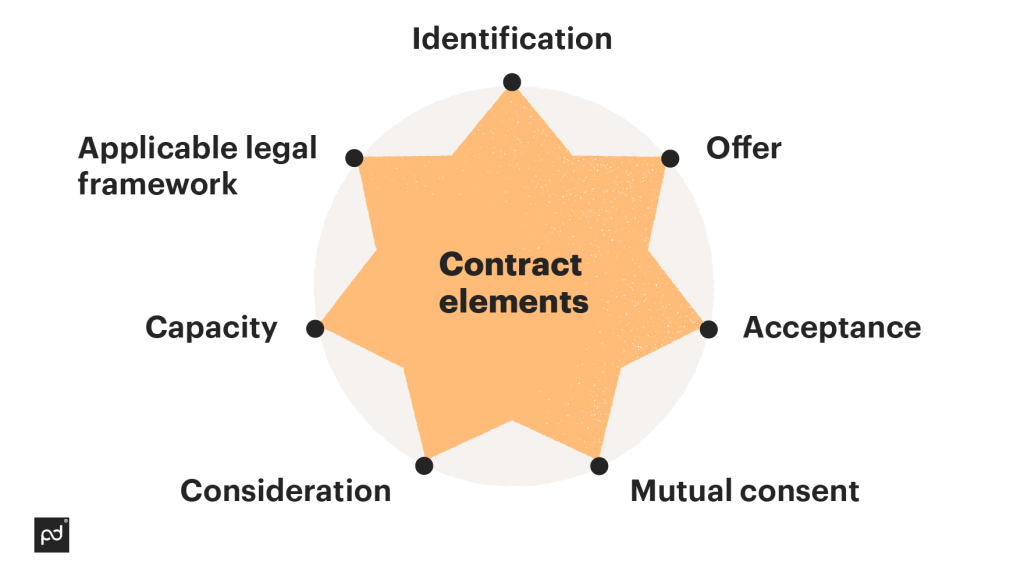
    Under the Indian Contract Act, 1872, a contract needs four core elements to be enforceable: offer, acceptance, consideration (something of value exchanged), and the intention to create legal relations. Miss any one of these, and you might just have a friendly agreement, not a legally binding contract.

    Direct answer: A legally binding contract requires a clear offer, acceptance, lawful consideration, and mutual intent to be legally bound — verbal agreements can qualify too, but written contracts are far easier to enforce.

    Step 1: Identify the Parties Clearly

    Sounds obvious, but this trips people up constantly. Use full legal names, not nicknames or business shorthand. If it’s a company, mention the registered entity name, not just the brand name people casually use.

    Step 2: Define the Terms Precisely

    Vague language is the number one reason contracts get disputed. “Payment will be made soon” means nothing legally. “Payment of ₹1,00,000 will be made within 15 days of invoice date” is enforceable.

    • Specify exact amounts, dates, and deliverables
    • Avoid ambiguous words like “reasonable time” or “as needed” without defining them
    • Mention currency and payment method clearly

    Step 3: Include Essential Clauses

    A solid legally binding contract typically includes:

    • Scope of work or subject matter
    • Payment terms and schedule
    • Termination conditions — how either party can exit
    • Dispute resolution mechanism (arbitration, jurisdiction, mediation)
    • Confidentiality clause, if sensitive information is involved
    • Force majeure clause, covering unforeseeable events

    Step 4: Get the Consideration Right

    Consideration is what each party gives up or receives — money, service, goods, or even a promise. Without consideration, courts generally won’t treat it as an enforceable contract, no matter how formally it’s written.

    Step 5: Add Signatures and Witnesses

    Both parties must sign, ideally with the date. While not always mandatory, having witnesses adds an extra layer of credibility if the contract is ever challenged. For high-value agreements, notarization is worth the small extra effort.

    [link to related guide on document notarization here]

    Common Mistakes People Make

    I’ve noticed the same errors repeating across contracts drafted without legal help:

    • No clear termination clause, leading to messy exits
    • Skipping the dispute resolution clause entirely
    • Using templates copied online without adapting to the actual deal
    • Forgetting to date the document

    Do Contracts Need to Be on Stamp Paper?

    For many contracts, yes — stamp duty requirements vary by state and contract value. Skipping stamp duty doesn’t necessarily void the contract, but it can create admissibility issues if you ever need to present it as evidence in court.

    FAQ

    Q1. Is a verbal agreement legally binding in India? Yes, verbal contracts can be enforceable, but proving the exact terms in court is much harder without written evidence.

    Q2. Do I need a lawyer to draft a contract? Not always for simple agreements, but for high-value or complex deals, it’s genuinely worth the fee to avoid costly disputes later.

    Q3. What makes a contract void instead of just breachable? Contracts involving illegal purposes, minors, or fraud are void from the start, not just breached later.

    Q4. Does a contract need to be notarized to be valid? No, notarization isn’t mandatory for validity in most cases, but it strengthens evidentiary value.

    Q5. Can a contract be changed after both parties sign it? Yes, through a mutually signed amendment or addendum, not by one party unilaterally editing terms.

    Conclusion

    Drafting a legally binding contract isn’t about using complicated legal jargon — it’s about being specific, clear, and covering the “what if this goes wrong” scenarios upfront. Whether you’re finalizing a freelance deal or a business partnership, take the extra hour to get the clauses right. It’s a lot cheaper than a legal dispute later. When in doubt, get a lawyer to review it before signing — that one-time cost is small insurance against a much bigger headache

  •  Document Notarization Explained: When You Actually Need It

     Document Notarization Explained: When You Actually Need It

    Introduction

    Someone once told me they thought notarization made a document “extra legal” — as if there’s a legal and an “extra legal” tier. That’s not quite how it works. Document notarization verifies identity and signature authenticity; it doesn’t automatically make a shaky agreement bulletproof. So when do you actually need it, and when are people just paying for a stamp they don’t require? Let’s clear that up.

    What Does Notarization Actually Do?

    A notary public — a government-appointed official — witnesses the signing of a document and certifies that the signatory is who they claim to be, signing willingly and knowingly. It’s essentially a fraud-prevention step, not a stamp of legal validity for the content itself.

    Direct answer: Document notarization confirms the identity of signatories and that they signed voluntarily — it doesn’t validate the accuracy or legality of the document’s content, which remains the responsibility of the parties involved.

    Documents That Commonly Require Notarization

    • Affidavits for court or government submissions
    • Power of attorney documents
    • Property-related agreements, in certain states
    • Educational certificate attestations for jobs or visas abroad
    • Rental agreements, in some jurisdictions (though not always mandatory)

    Notarization vs Registration: They Are Not the Same

    This confuses a lot of people, honestly. Notarization is a simpler, cheaper process confirming signatures. Registration, on the other hand, involves recording the document with the sub-registrar’s office and is legally mandatory for certain transactions — like property sales above a certain value.

    A notarized rental agreement, for instance, may still need registration if the lease term exceeds 11 months, depending on state rules. Skipping this step is one of the most common — and costly — mistakes people make.

    The Notarization Process, Step by Step

    1. Carry the original document and a valid ID proof (Aadhaar, PAN, passport)
    2. Visit a licensed notary public — many operate near courts or registrar offices
    3. Sign the document in front of the notary (don’t pre-sign it at home)
    4. The notary verifies your identity, witnesses the signature, and applies their seal and signature
    5. Pay the applicable notary fee, which is usually nominal — often under ₹200 for standard documents

    Is Notarization Mandatory for All Contracts?

    No, and this is worth repeating because so many people assume otherwise. Most everyday agreements don’t legally require notarization to be valid. It becomes more relevant when a document is being submitted to a government authority, court, or foreign institution that specifically demands it.

    [link to related guide on drafting a legally binding contract here]

    E-Notarization: Is It a Thing in India?

    Some states have started piloting digital notarization services, especially post-pandemic, but it’s not uniformly available across India yet. If you’re relying on e-notarization for a document, double-check whether the receiving authority actually accepts it — not every office does, even in 2026.

    What Happens If a Notarized Document Is Later Disputed?

    Notarization makes it harder to claim “I never signed this,” since there’s an official witness on record. But it doesn’t stop someone from disputing the content or terms of the document itself — that’s a separate legal battle, handled through regular contract or civil law.

    FAQ

    Q1. Does notarization make a contract legally enforceable? Not by itself. Enforceability depends on contract law elements like offer, acceptance, and consideration — notarization just adds identity verification.

    Q2. How much does notarization typically cost in India? Usually quite affordable, often between ₹50 to ₹200 per document, depending on the notary and document type.

    Q3. Can any document be notarized? Most private documents can be, but certain documents legally require registration instead, or in addition to, notarization.

    Q4. Is notarization required for a will? Not mandatory in India, though many people choose to notarize wills for added credibility, alongside proper witness signatures.

    Q5. Can I notarize a document online? Some states offer limited e-notarization, but it’s not universally accepted yet — verify with the receiving party first.

    Conclusion

    Document notarization is a useful, low-cost step for verifying identity and reducing fraud risk — but it’s not a magic seal that fixes a poorly drafted document. Know the difference between notarization and registration before you assume one covers the other. When your document involves government submissions, property, or power of attorney, it’s worth double-checking the exact requirement rather than guessing.

  • Informed Medical Consent: What Every Patient Must Know

    Informed Medical Consent: What Every Patient Must Know

    Introduction

    Ever signed a hospital form without really reading it, just because the nurse was waiting and you wanted the procedure done? Most people have. But informed medical consent isn’t just a signature — it’s a legal right that protects you from procedures you didn’t fully understand or agree to. Has this ever happened to you — being handed a form minutes before a procedure, with barely time to skim it? That’s exactly the gap this law is meant to close.

    What Counts as Informed Consent?

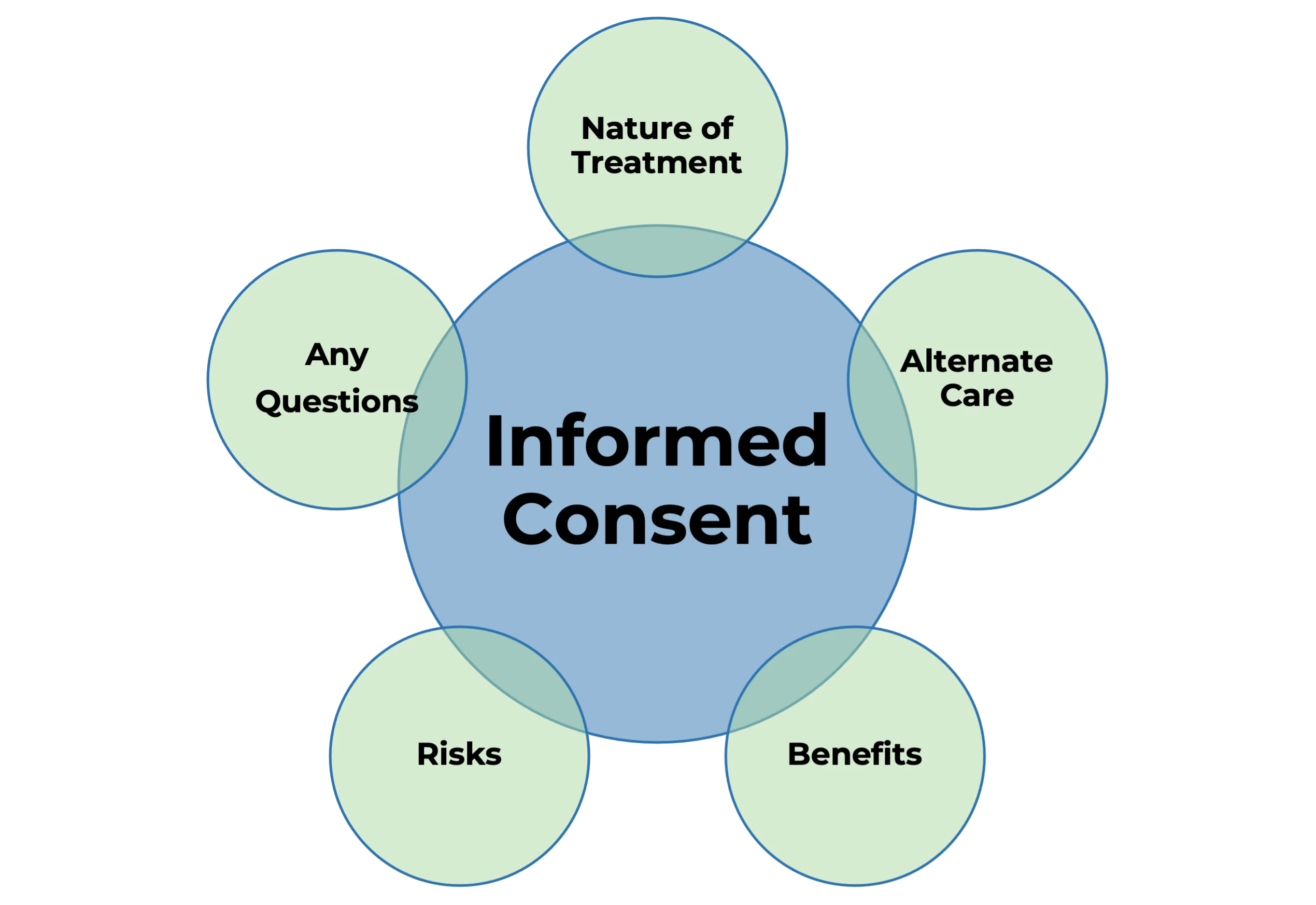
    Legally, informed consent means a patient has been told, in understandable language, about the nature of the treatment, its risks, alternatives, and expected outcomes — before agreeing to it. A signature alone doesn’t satisfy this requirement if the explanation never actually happened.

    Direct answer: Informed medical consent requires doctors to explain the procedure, risks, benefits, and alternatives in a language the patient understands, before obtaining agreement — silence or a rushed signature does not count as valid consent.

    What Must Doctors Disclose?

    Under Indian medical ethics regulations and various court rulings (including landmark Supreme Court judgments), doctors are expected to disclose:

    • The nature and purpose of the treatment or surgery
    • Material risks — not every rare risk, but ones a reasonable patient would want to know
    • Available alternative treatments, including the option of no treatment
    • Expected recovery and possible complications

    Doctors don’t need to list every conceivable risk (that would be impossible), but they can’t hide significant, foreseeable ones either.

    When Is Consent Not Required?

    There are exceptions. In genuine medical emergencies where the patient is unconscious or unable to communicate, and immediate treatment is necessary to save life, doctors can proceed without formal consent. This is one area where I think the law gets it right — you can’t expect paperwork in a cardiac arrest situation.

    Consent for Minors and Incapacitated Patients

    For minors, parents or legal guardians provide consent. For patients who are mentally incapacitated, a close relative or legally appointed guardian typically steps in. Hospitals usually have a defined hierarchy for who can consent on someone else’s behalf, and disputes here can get legally complicated fast.

    Written vs Verbal Consent

    Not every procedure needs written consent. Minor treatments, like a routine blood test, are generally covered by implied consent — you rolled up your sleeve, after all. But surgeries, anesthesia, and invasive procedures legally require written, documented consent.

    • Written consent is mandatory for surgical procedures
    • Verbal consent may suffice for minor, low-risk interventions
    • Implied consent covers routine examinations like checking blood pressure

    Can You Withdraw Consent Mid-Treatment?

    Yes, and this surprises a lot of people. A patient has the right to withdraw consent at any point, even mid-procedure in non-emergency situations, though doctors will explain the medical risks of stopping abruptly.

    [link to related guide on patient rights in hospitals here]

    What Happens If Consent Wasn’t Taken Properly?

    If a doctor performs a procedure without valid consent, or exceeds the scope of what was consented to, it can amount to medical negligence or even battery under law. Several Indian court cases have awarded compensation to patients where consent was inadequate, vague, or obtained under pressure.

    FAQ

    Q1. Is a signed consent form always legally valid? Not automatically. If the patient wasn’t actually informed of the risks in understandable language, the form alone doesn’t protect the doctor.

    Q2. Can a family member give consent instead of the patient? Only if the patient is a minor, unconscious, or legally deemed incapable of decision-making.

    Q3. Do doctors have to explain in the patient’s own language? Ethically and practically, yes — consent given in a language the patient doesn’t understand is weak legally.

    Q4. Can I refuse a treatment my doctor recommends? Yes, competent adult patients have the right to refuse treatment, even if doctors disagree with that choice.

    Q5. What should I do if I feel I wasn’t properly informed before a procedure? You can raise it with the hospital’s grievance cell, approach the State Medical Council, or consult a lawyer about a medical negligence claim.

    Conclusion

    Informed medical consent exists to put decision-making power back where it belongs — with the patient. Next time you’re handed a form before a procedure, don’t just sign and move on. Ask questions. Ask about risks, alternatives, recovery time. A good doctor won’t rush you through this, and if they do, that itself is worth noting. Your body, your call — that’s really what this whole legal principle comes down to.